
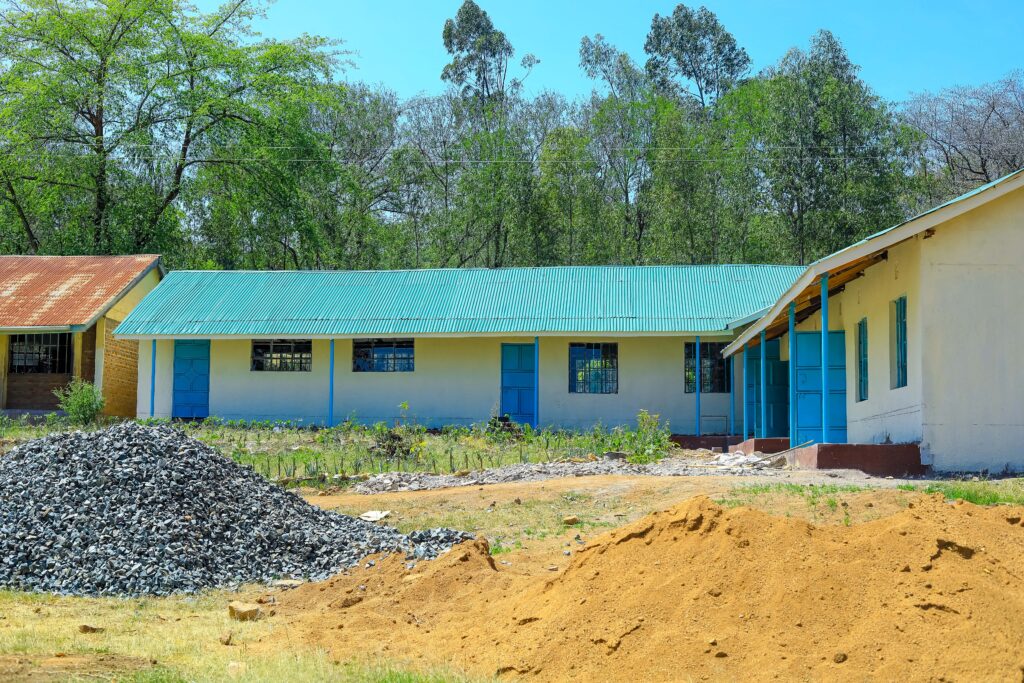
From Garden to Plate
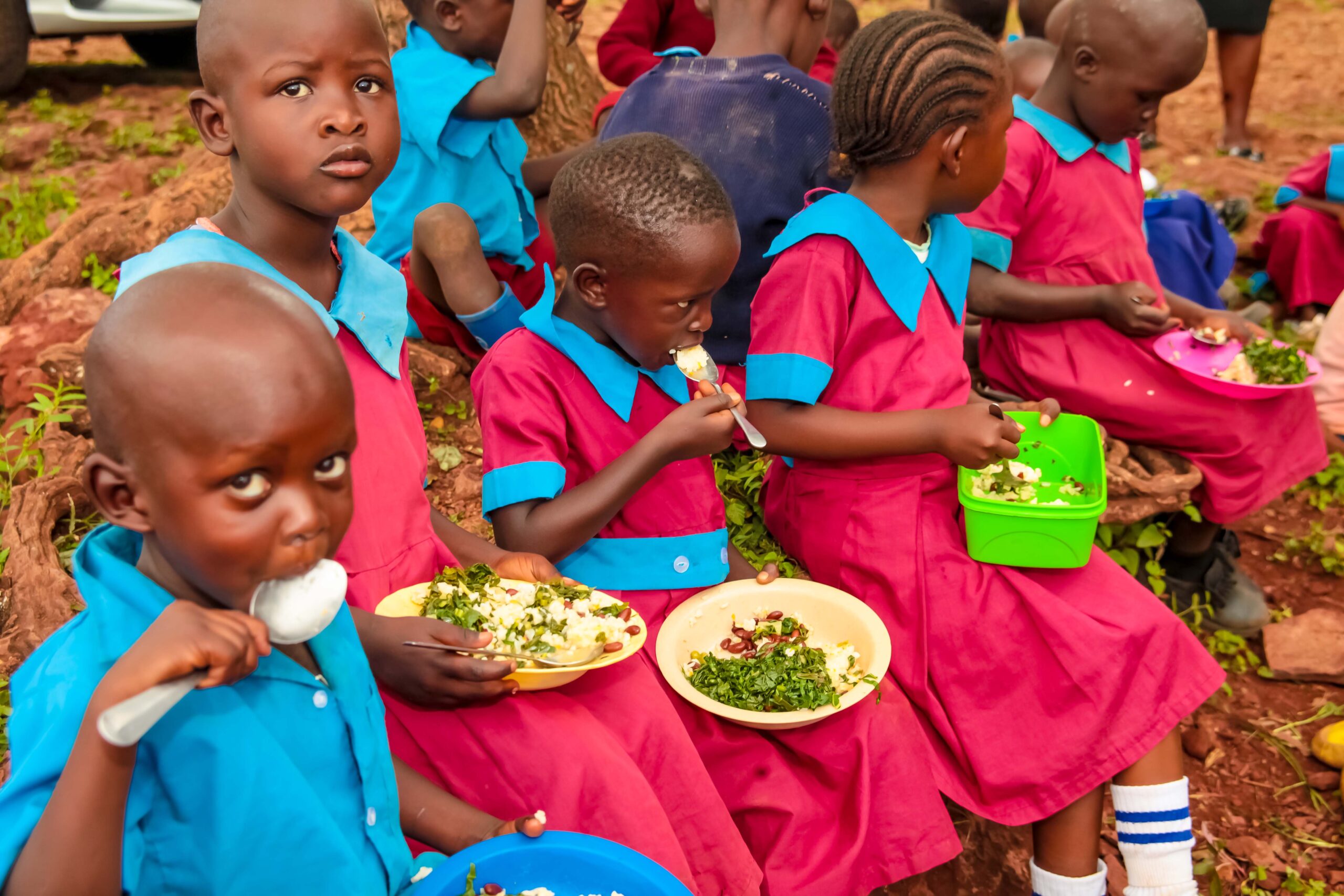
Students harvesting fresh vegetables from the school garden — Nourishing Minds & Bodies
At the heart of our permaculture program is a simple yet powerful idea: students should not only learn about agriculture — they should experience it, taste it, and benefit from it directly.
Across our partner schools in Mango, Angiro, Buchenya, and Nyabiage, students are doing exactly that. Through greenhouse and shade net establishments, they grow fresh, nutritious vegetables that end up right on their own plates.
"Before this program, many of our students had never tasted a fresh tomato from a garden they helped plant. Now, they eat what they grow — and their excitement is contagious."
— Teacher, Nyabiage Comprehensive School
The Impact in Numbers
From Seed to Table
- Students plant and tend — From preparing the soil to planting seeds and watering, students are involved in every step of the growing process.
- They harvest with pride — The moment of harvest is a celebration, with students seeing the literal fruits of their labor.
- The vegetables reach the kitchen — Fresh produce goes straight to the school kitchen, reducing reliance on expensive purchased food.
- Students eat what they grow — The cycle is complete when students sit down to a meal featuring vegetables they grew themselves.
From Classroom to Enterprise
The knowledge gained in Angiro Comprehensive School's Climate-Smart Agriculture program didn't just stay within the school fence. For a group of five students, it became the seed of a thriving home enterprise.
They learned the fundamentals of soil health, water conservation, and organic farming in class, which they first applied in the school garden. Seeing their success, they decided to replicate the same techniques on small plots at their homes, using double digging and homemade compost to grow kale, tomatoes, and onions.
Their home gardens produced such a bountiful surplus that they spotted a new opportunity. Naming themselves the "Green Shoots Group," they began carefully packaging their harvest and selling it to teachers and neighbors. The profits were a direct payoff from their applied education.
They reinvested the earnings into buying better seeds and tools, making their venture self-sustaining.
"We used to think farming was just for our parents, but what we learned in school showed us it's a smart business."
— Member, Green Shoots Group, Angiro Comprehensive School
This journey from the school lesson to the home garden to the marketplace provided them with invaluable entrepreneurship skills and proved that modern agriculture is a viable and dignified source of income for the next generation.
This farm-to-table approach does more than just feed students. It teaches them the value of self-sufficiency, introduces them to healthy eating habits, and builds a deep appreciation for the environment and sustainable agriculture. Most importantly, it shows them that agriculture can be a pathway to economic independence.
"I never knew I liked kale until I grew it myself. Now I ask my mom to plant it at home too!"
— Student, Angiro Primary School
Beyond the Plate
The impact extends far beyond lunchtime. Students take their knowledge home, sharing what they've learned with their families. Parents report starting their own small gardens after seeing their children's success at school.
By integrating permaculture into the school curriculum, we're growing more than vegetables — we're growing a generation of young people who understand where their food comes from, value sustainable practices, and have the skills to feed themselves and their communities.
The journey from garden to plate is a powerful one. It builds confidence, improves nutrition, reduces costs, and creates a virtuous cycle of learning and eating that benefits students, schools, and entire communities.

Growing Futures: Greenhouse & Shade Net Impact
Students harvesting fresh vegetables from the school garden — Nourishing Minds & Bodies
At the heart of our permaculture program is a simple yet powerful idea: students should not only learn about agriculture — they should experience it, taste it, and benefit from it directly.
Across our partner schools in Mango, Angiro, Buchenya, and Nyabiage, students are doing exactly that. Through greenhouse and shade net establishments, they grow fresh, nutritious vegetables that end up right on their own plates.
"Before this program, many of our students had never tasted a fresh tomato from a garden they helped plant. Now, they eat what they grow — and their excitement is contagious."
— Teacher, Nyabiage Comprehensive School
The Impact in Numbers
From Seed to Table
- Students plant and tend — From preparing the soil to planting seeds and watering, students are involved in every step of the growing process.
- They harvest with pride — The moment of harvest is a celebration, with students seeing the literal fruits of their labor.
- The vegetables reach the kitchen — Fresh produce goes straight to the school kitchen, reducing reliance on expensive purchased food.
- Students eat what they grow — The cycle is complete when students sit down to a meal featuring vegetables they grew themselves.
From Classroom to Enterprise
The knowledge gained in Angiro Comprehensive School's Climate-Smart Agriculture program didn't just stay within the school fence. For a group of five students, it became the seed of a thriving home enterprise.
They learned the fundamentals of soil health, water conservation, and organic farming in class, which they first applied in the school garden. Seeing their success, they decided to replicate the same techniques on small plots at their homes, using double digging and homemade compost to grow kale, tomatoes, and onions.
Their home gardens produced such a bountiful surplus that they spotted a new opportunity. Naming themselves the "Green Shoots Group," they began carefully packaging their harvest and selling it to teachers and neighbors. The profits were a direct payoff from their applied education.
They reinvested the earnings into buying better seeds and tools, making their venture self-sustaining.
"We used to think farming was just for our parents, but what we learned in school showed us it's a smart business."
— Member, Green Shoots Group, Angiro Comprehensive School
This journey from the school lesson to the home garden to the marketplace provided them with invaluable entrepreneurship skills and proved that modern agriculture is a viable and dignified source of income for the next generation.
This farm-to-table approach does more than just feed students. It teaches them the value of self-sufficiency, introduces them to healthy eating habits, and builds a deep appreciation for the environment and sustainable agriculture. Most importantly, it shows them that agriculture can be a pathway to economic independence.
"I never knew I liked kale until I grew it myself. Now I ask my mom to plant it at home too!"
— Student, Angiro Primary School
Beyond the Plate
The impact extends far beyond lunchtime. Students take their knowledge home, sharing what they've learned with their families. Parents report starting their own small gardens after seeing their children's success at school.
By integrating permaculture into the school curriculum, we're growing more than vegetables — we're growing a generation of young people who understand where their food comes from, value sustainable practices, and have the skills to feed themselves and their communities.
The journey from garden to plate is a powerful one. It builds confidence, improves nutrition, reduces costs, and creates a virtuous cycle of learning and eating that benefits students, schools, and entire communities.