SIC Programme Dispatch
Empowering Learners
SIC Supports Rabuor and Angiro Comprehensive Schools with Stationery and School Fees

Students and staff gather at the distribution exercise held at Rabuor and Angiro Comprehensive Schools.
On Thursday, September 3, 2026, learners at Rabuor and Angiro Comprehensive Schools experienced a day of joy and renewed hope. The Sustainable Innovation Centre (SIC), in partnership with Ubuntu International, visited both schools to distribute essential stationery to students and to settle school fees for the students under our sponsorship programme.
Equipping Students for the Term Ahead
A term without the basic tools of learning can be a heavy burden for a child. To ease that burden, our team handed out stationery packages to students, including:
- Pencils
- Erasers (rubbers)
- Pens
- Crayon sets
These simple items make a real difference in a classroom — helping every child sit down, open their books, and learn without worry about what they lack.


“No child should be held back from learning simply because they lack a pen or the fees to stay enrolled.”
Keeping Sponsored Students in School
Alongside the stationery distribution, SIC also paid school fees for the students we sponsor at both institutions. Fees remain one of the biggest barriers keeping children out of the classroom, and by settling these payments, we are ensuring that our sponsored students can continue their education through the term without interruption.

Why This Matters
Education is one of the strongest tools for breaking the cycle of poverty in our communities. Every pencil handed out and every fee payment made is an investment in a child's future — and, ultimately, in the future of Homa Bay County.
SIC remains committed to walking alongside these schools and their learners, term after term.
Get Involved
If you would like to support a child's education through school fees, stationery, or other learning materials, reach out to SIC to learn how you can partner with us in transforming lives through education.
SIC Programme Dispatch
Dressed for Recognition
SIC Brands Kamanga and Angiro Women's Groups with T-Shirts and Lesos to Boost Confidence and Make Them Comfortable
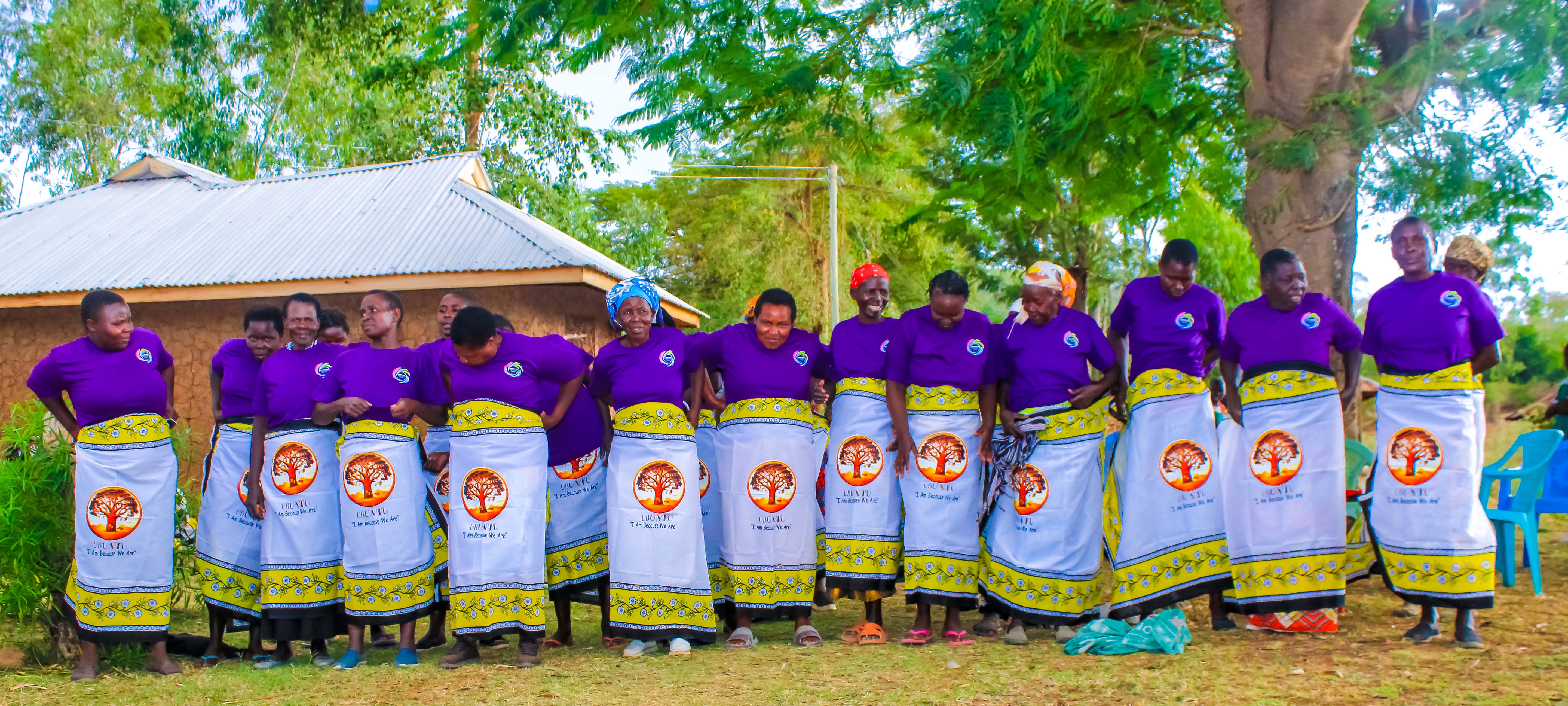
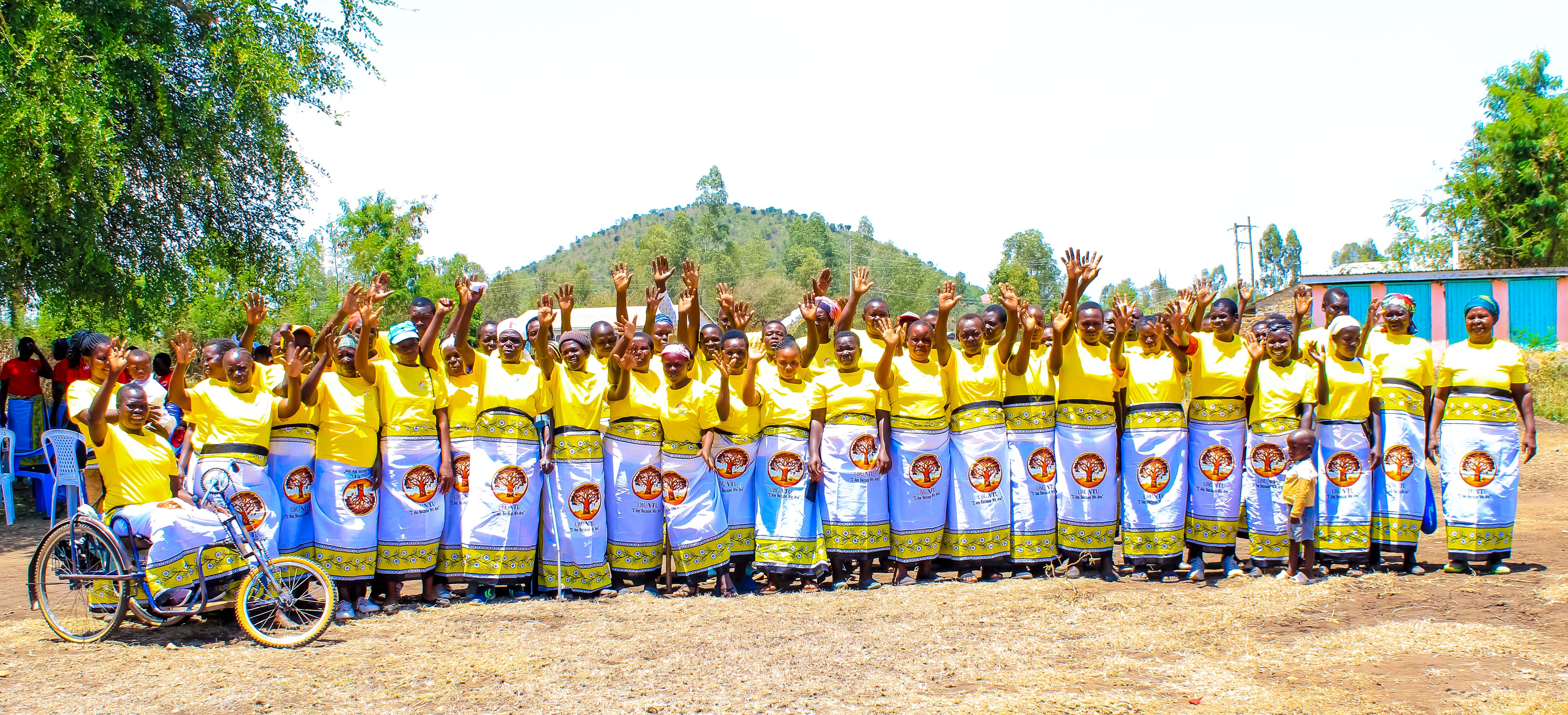
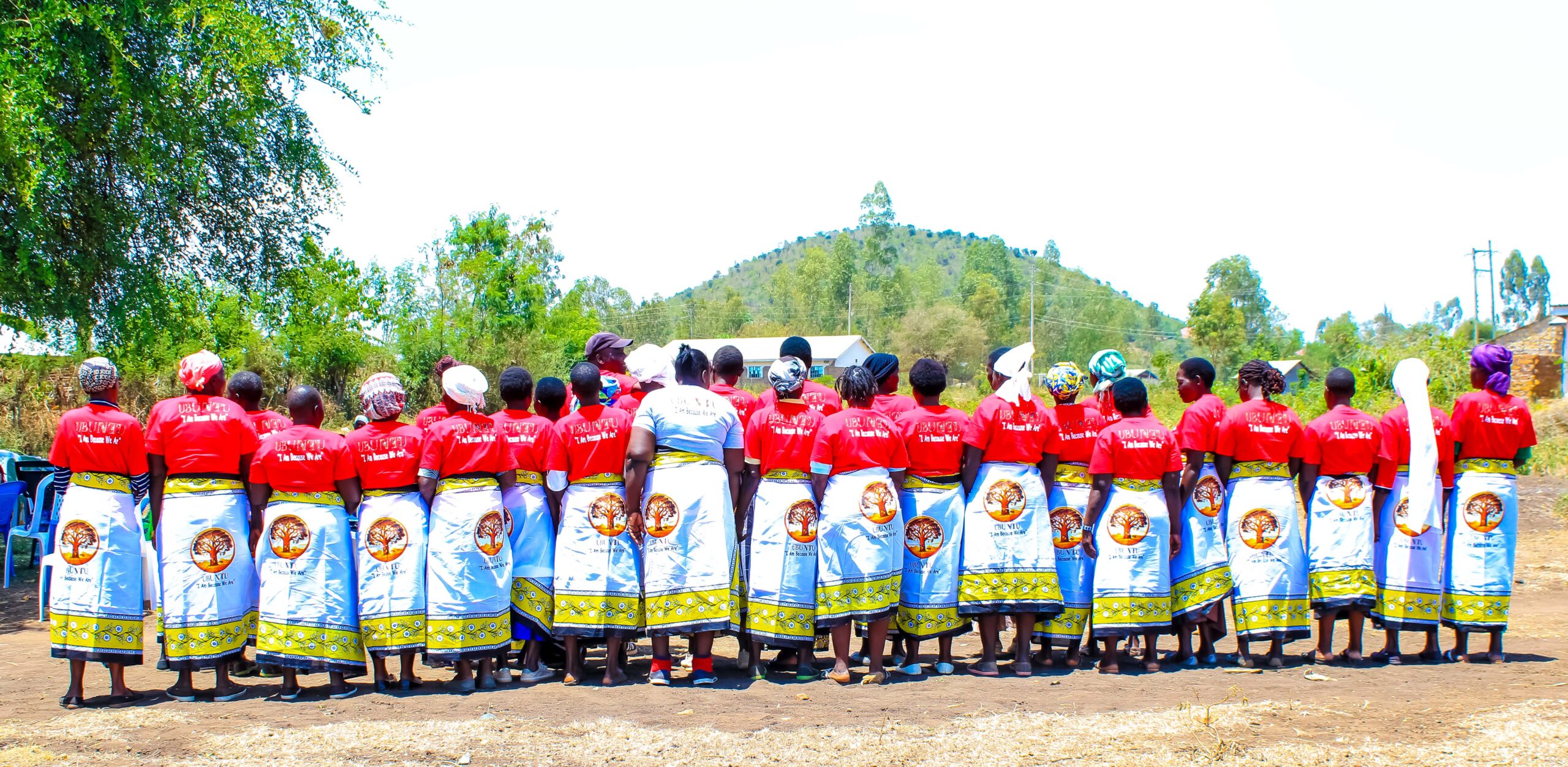
Members of the Angiro and Kamanga women's groups in their new branded t-shirts and lesos.
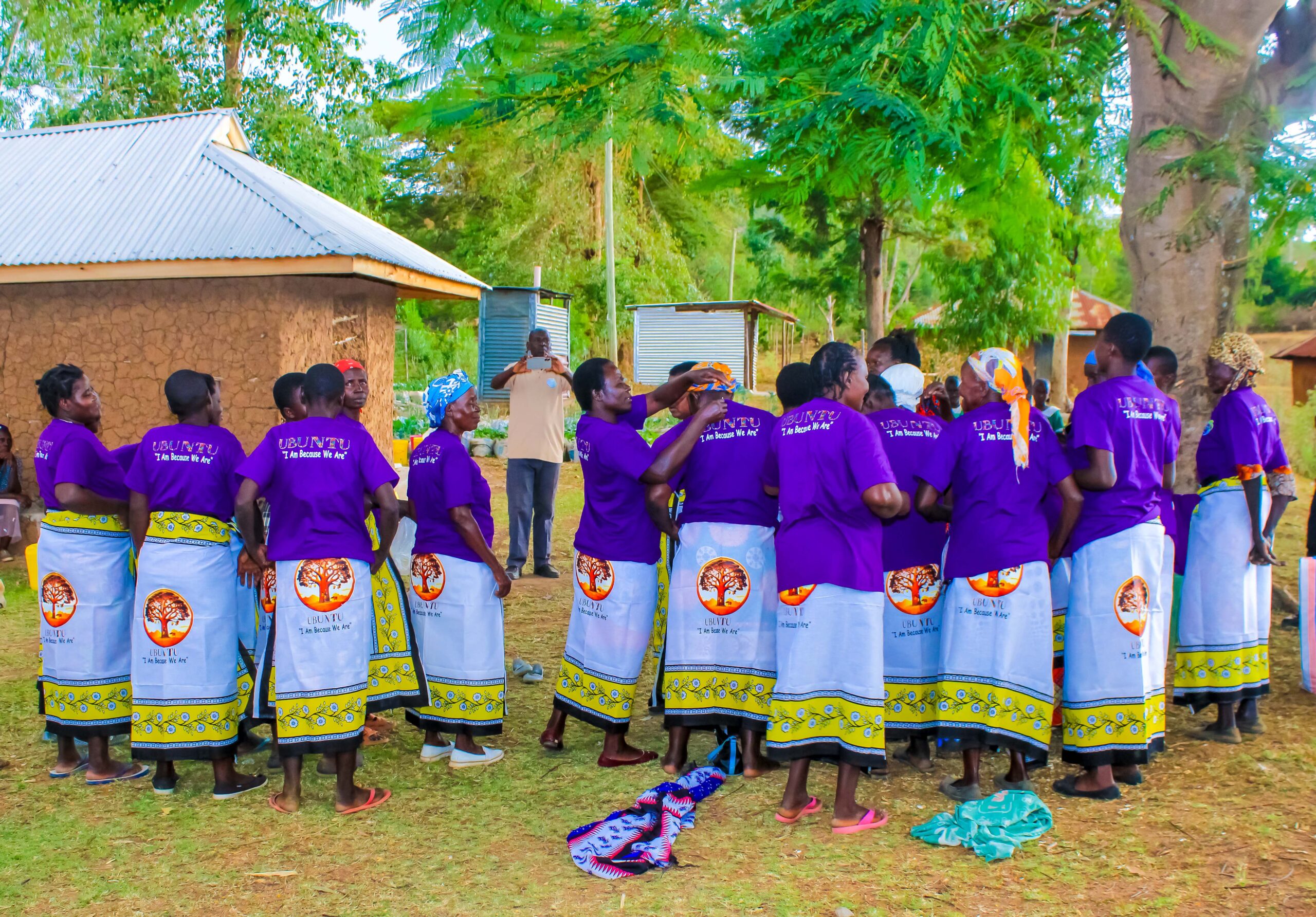
Identity matters. On Friday, September 4, 2026, the Sustainable Innovation Centre (SIC) branded the Kamanga and Angiro women's groups with matching t-shirts and lesos, giving both groups a stronger, more visible identity as they continue their table banking activities.
Why Branding Matters
Table banking groups thrive on trust, visibility, and a sense of shared identity. A branded t-shirt or leso is more than clothing — it is a statement that the group is organized, credible, and recognized. When members show up to meetings, markets, or community events dressed in their group colors, it builds confidence among members and signals reliability to potential partners, lenders, and customers.

“A branded group is a group people remember, trust, and want to do business with.”
Boosting Table Banking
Both Kamanga and Angiro women's groups run table banking initiatives, pooling savings and offering members access to credit for small businesses, school fees, and household needs. With a stronger group image, SIC hopes to help these groups attract more members, build greater trust within the community, and open doors to future partnerships and support.
Looking Ahead
SIC will continue supporting women's groups across Homa Bay County with tools, training, and visibility initiatives like this one, as part of our broader commitment to women's economic empowerment.
Get Involved
If you would like to support women's groups through branding, training, or table banking capital, reach out to SIC to learn how you can partner with us.
SIC Programme Dispatch
From Despair to Dignity
Permaculture Has Transformed Angiro Comprehensive School
Angiro Comprehensive School today — a far cry from the dilapidated, dust-choked compound it once was.
There was a time when no parent wanted to send their child to Angiro Comprehensive School. Even families living just next door preferred to walk their children five kilometers to another school rather than enroll them at Angiro. Dilapidated classrooms with peeling walls, toilets that were in poor condition, dusty compounds with little shade or life, and a teaching staff stretched too thin to give learners the attention they deserved. Enrollment dwindled. Performance suffered. Angiro had become the school nobody wanted, abandoned in spirit long before it was abandoned in practice.
Sustainable Innovation Center (SIC) saw something different. Where others saw a failing institution, SIC saw an opportunity. The vision was bold: turn Angiro Comprehensive School into a vibrant, self-sustaining learning system, one where the school itself could generate the resources it needed to thrive. The tool that would make this vision was permaculture.
Growing More Than Food
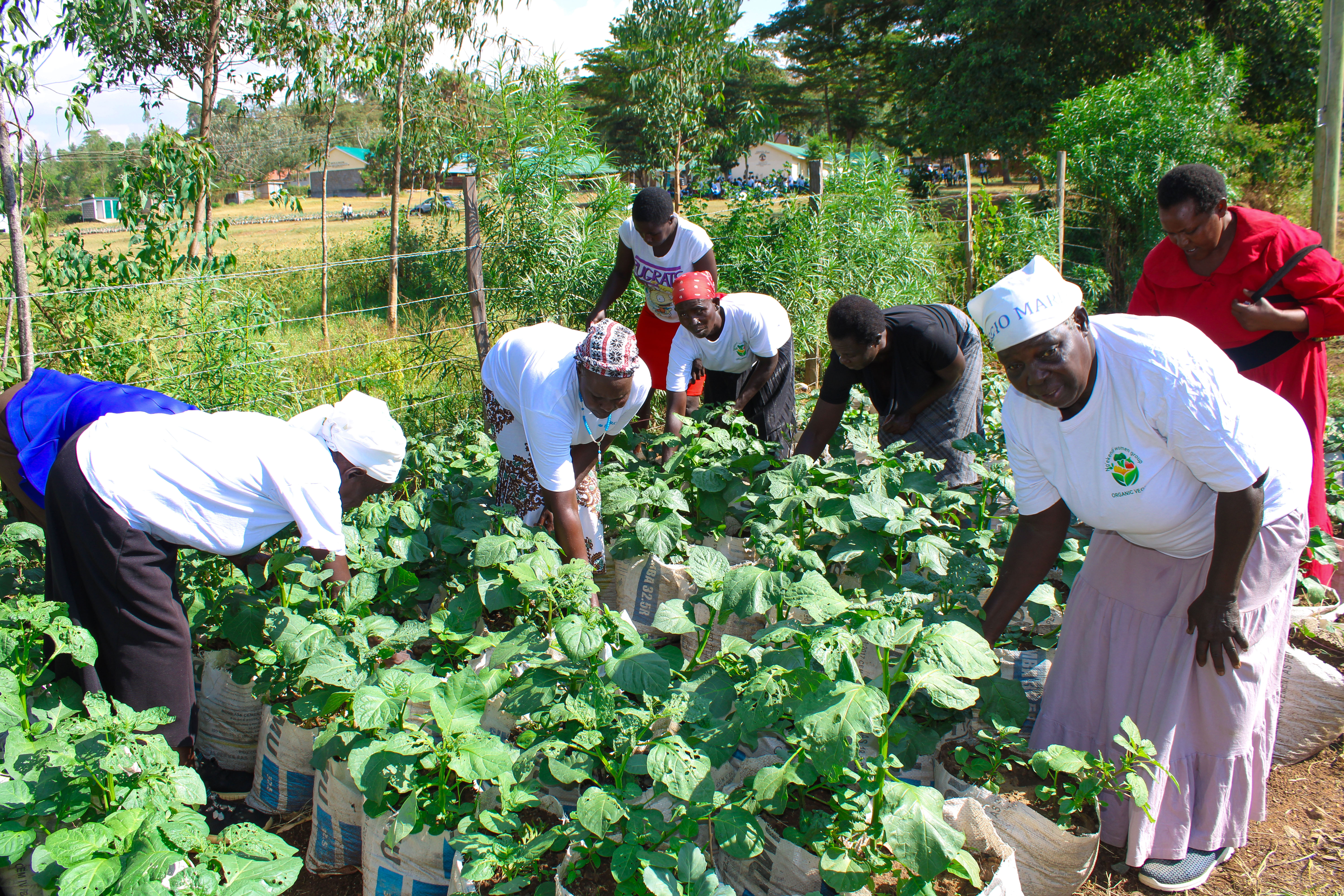
At the heart of Angiro's turnaround is a self-sustaining agricultural system modeled on nature itself, a living ecosystem grown right on the school grounds. Vegetables, onions, fruit seedlings, and indigenous leafy greens now flourish where dust once ruled, cultivated using permaculture methods that mimic the balance and efficiency of a natural ecosystem.
Unlike conventional farming, this approach is remarkably efficient. It uses less space, less water, and less time, while producing food that is richer in nutrients and far gentler on the environment. For a school with limited land and limited resources, that efficiency has made all the difference.
“It just requires the right seed, planted in the right place, and given room to grow.”
A School That Feeds Itself
The impact has rippled far beyond the garden beds. Students at Angiro no longer need to walk home for lunch, a journey that, for some, ate up hours of learning time and left them too exhausted or hungry to focus once they returned. Now, nutritious meals grown steps from the classroom keep them fed, focused, and in school.
But the garden does more than feed students. Surplus crops are sold to the surrounding community, and the income generated goes directly toward school levies — easing the financial burden on families and keeping the school itself financially afloat. What began as a food security intervention has grown into a genuine economic engine for the institution.
Perhaps most remarkable is the shift happening in how students see their own futures. Where farming was once viewed as a fallback for those who couldn't "make it" academically, a number of Angiro's students now see permaculture and agriculture as a career path worth pursuing — a future they're excited about, not one they're settling for.
A Village Transformed Alongside Its School
The story of Angiro doesn't end at the school gate. As families in the community have watched the transformation unfold, many have taken permaculture principles home with them. Households across the village are now applying the same techniques on their own small plots, growing their own food, generating their own income, and building the same kind of resilience that revived their school.
What started as an intervention to save one struggling institution has become a movement reshaping how an entire community thinks about food, land, and self-sufficiency.
A New Chapter for Angiro
Angiro Comprehensive School is no longer the school parents avoid. It is becoming a model of what's possible when community-driven solutions meet genuine local needs — proof that sustainable change doesn't always require large infrastructure or outside rescue.
SIC remains committed to walking alongside Angiro and its surrounding community, season after season.
Get Involved
If you would like to support permaculture and food security programmes like this one, reach out to SIC to learn how you can partner with us in transforming schools and communities across Homa Bay County.
SIC Programme Dispatch
From Despair to Dignity
Permaculture Has Transformed Angiro Comprehensive School
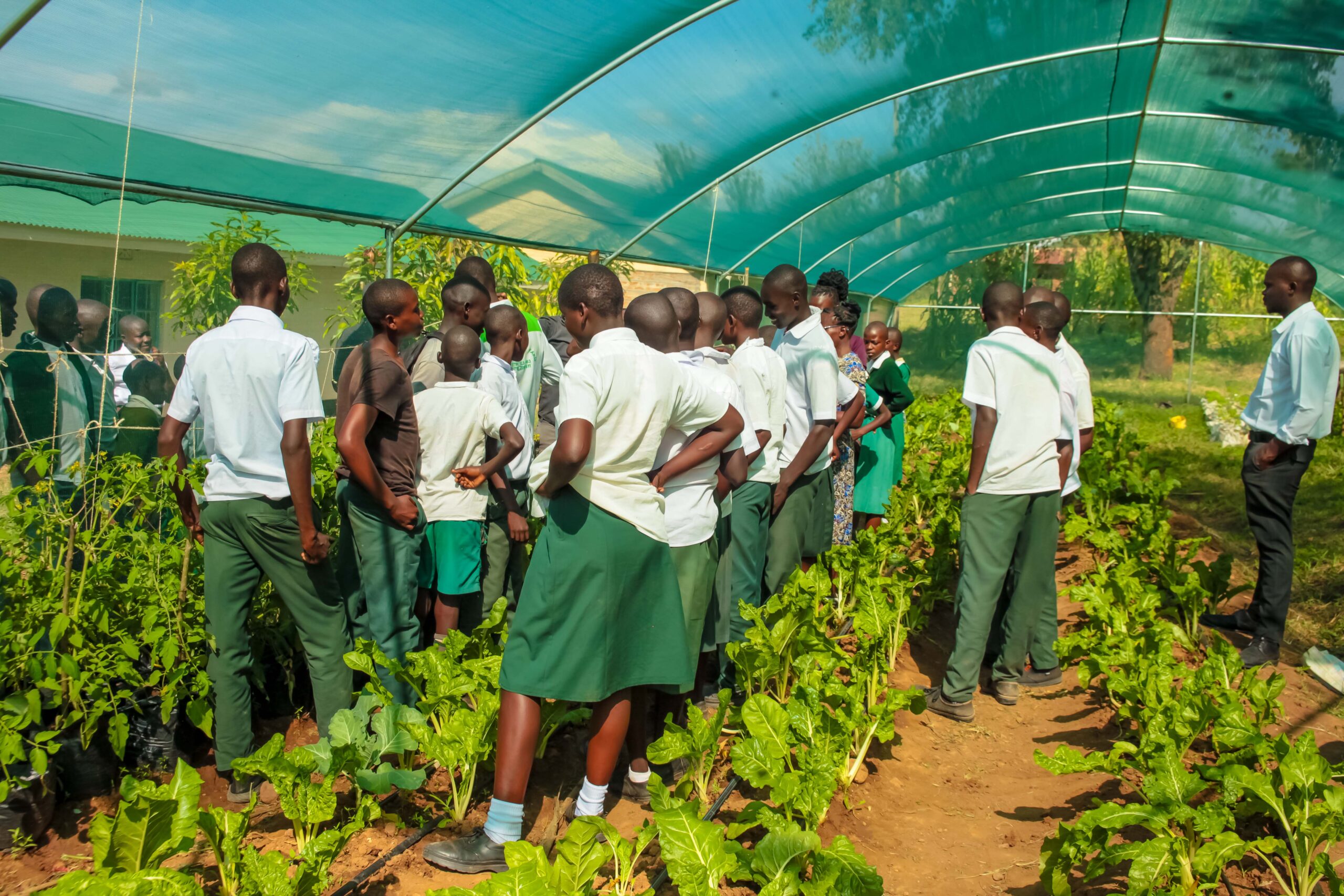
Angiro Comprehensive School today — a far cry from the dilapidated, dust-choked compound it once was.
There was a time when no parent wanted to send their child to Angiro Comprehensive School. Even families living just next door preferred to walk their children five kilometers to another school rather than enroll them at Angiro. Dilapidated classrooms with peeling walls, toilets that were in poor condition, dusty compounds with little shade or life, and a teaching staff stretched too thin to give learners the attention they deserved. Enrollment dwindled. Performance suffered. Angiro had become the school nobody wanted, abandoned in spirit long before it was abandoned in practice.
Sustainable Innovation Center (SIC) saw something different. Where others saw a failing institution, SIC saw an opportunity. The vision was bold: turn Angiro Comprehensive School into a vibrant, self-sustaining learning system, one where the school itself could generate the resources it needed to thrive. The tool that would make this vision was permaculture.
Growing More Than Food
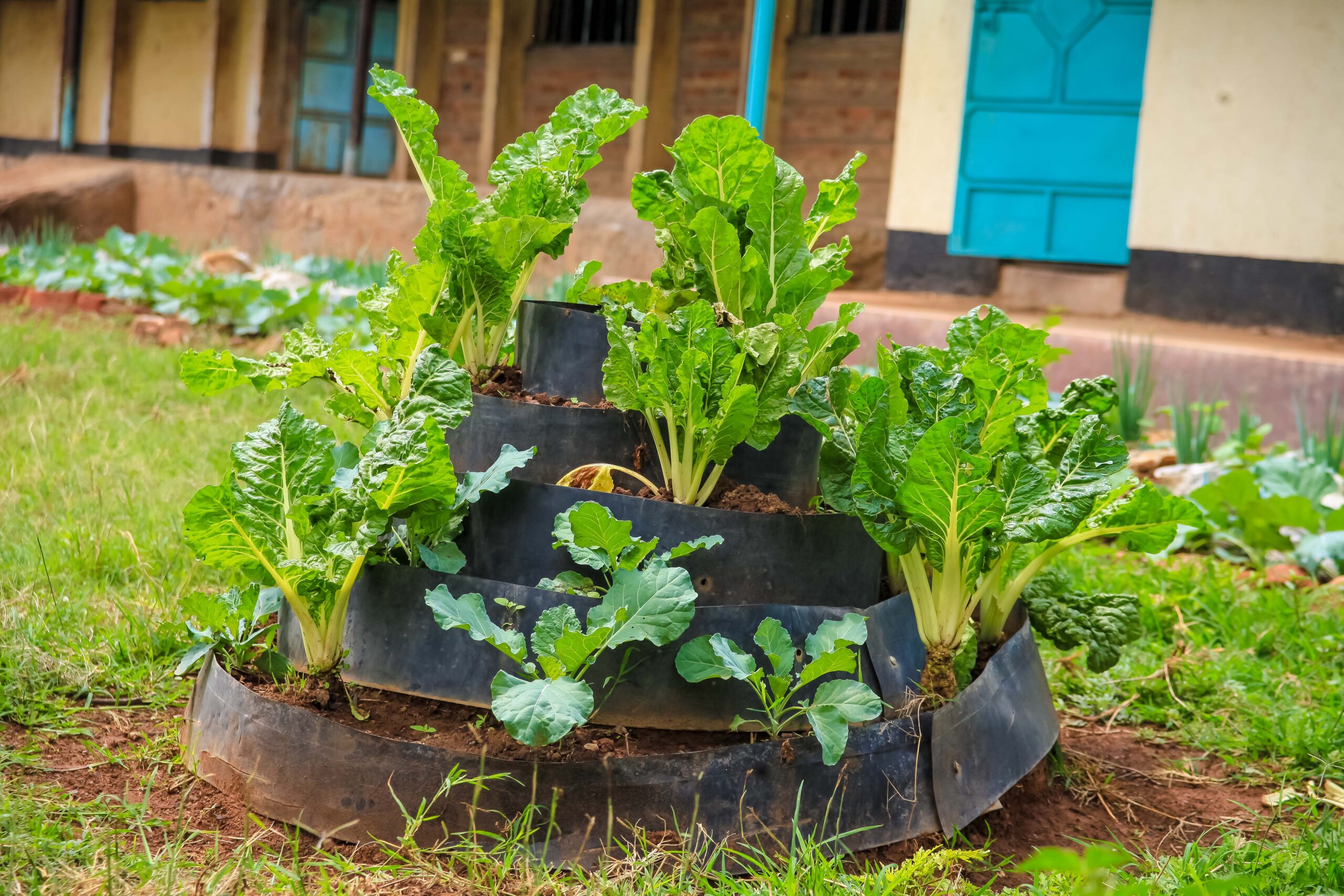
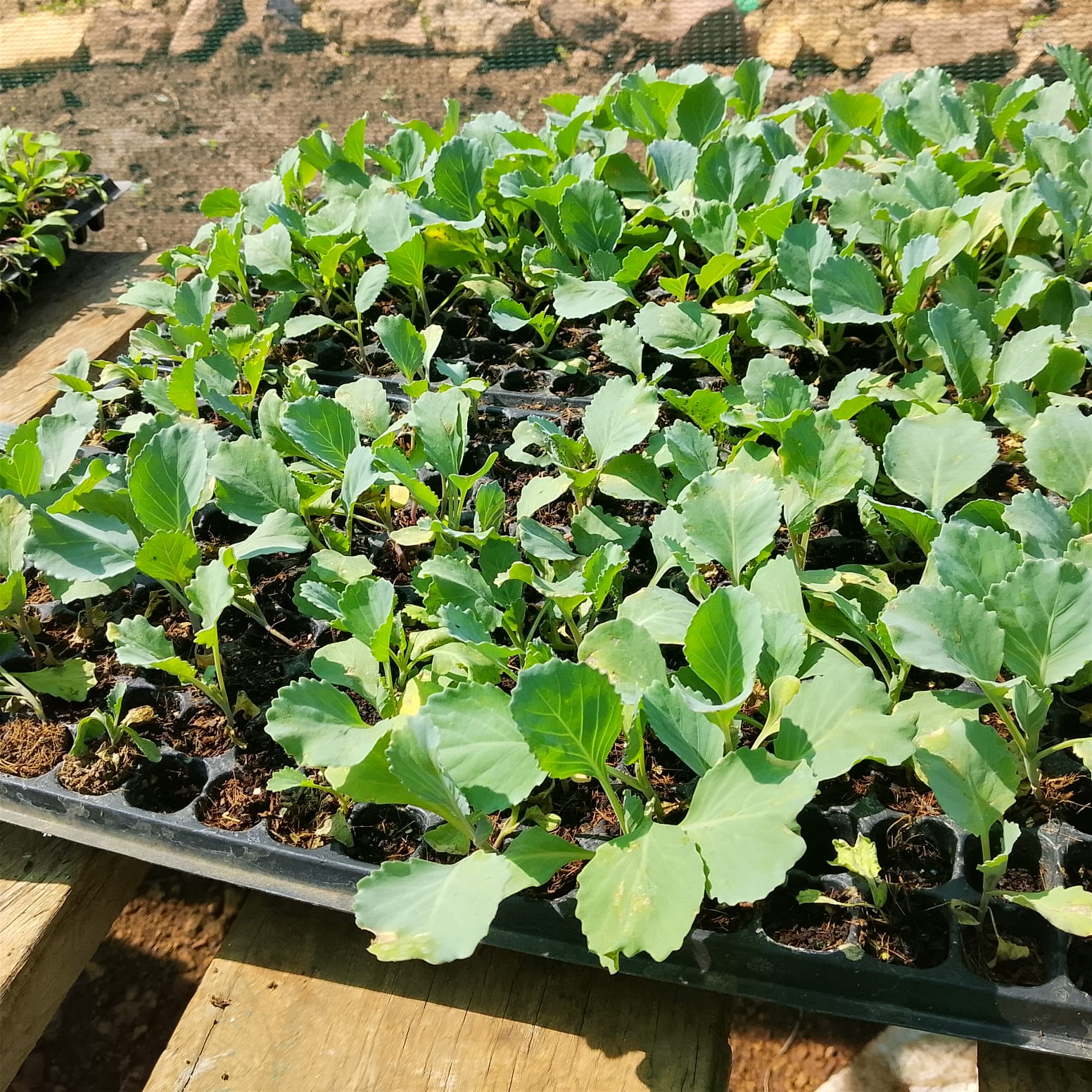
At the heart of Angiro's turnaround is a self-sustaining agricultural system modeled on nature itself, a living ecosystem grown right on the school grounds. Vegetables, onions, fruit seedlings, and indigenous leafy greens now flourish where dust once ruled, cultivated using permaculture methods that mimic the balance and efficiency of a natural ecosystem.
Unlike conventional farming, this approach is remarkably efficient. It uses less space, less water, and less time, while producing food that is richer in nutrients and far gentler on the environment. For a school with limited land and limited resources, that efficiency has made all the difference.
“It just requires the right seed, planted in the right place, and given room to grow.”
A School That Feeds Itself
The impact has rippled far beyond the garden beds. Students at Angiro no longer need to walk home for lunch, a journey that, for some, ate up hours of learning time and left them too exhausted or hungry to focus once they returned. Now, nutritious meals grown steps from the classroom keep them fed, focused, and in school.
But the garden does more than feed students. Surplus crops are sold to the surrounding community, and the income generated goes directly toward school levies — easing the financial burden on families and keeping the school itself financially afloat. What began as a food security intervention has grown into a genuine economic engine for the institution.
Perhaps most remarkable is the shift happening in how students see their own futures. Where farming was once viewed as a fallback for those who couldn't "make it" academically, a number of Angiro's students now see permaculture and agriculture as a career path worth pursuing — a future they're excited about, not one they're settling for.

A Village Transformed Alongside Its School
The story of Angiro doesn't end at the school gate. As families in the community have watched the transformation unfold, many have taken permaculture principles home with them. Households across the village are now applying the same techniques on their own small plots, growing their own food, generating their own income, and building the same kind of resilience that revived their school.
What started as an intervention to save one struggling institution has become a movement reshaping how an entire community thinks about food, land, and self-sufficiency.
A New Chapter for Angiro
Angiro Comprehensive School is no longer the school parents avoid. It is becoming a model of what's possible when community-driven solutions meet genuine local needs — proof that sustainable change doesn't always require large infrastructure or outside rescue.
SIC remains committed to walking alongside Angiro and its surrounding community, season after season.
Get Involved
If you would like to support permaculture and food security programmes like this one, reach out to SIC to learn how you can partner with us in transforming schools and communities across Homa Bay County.