Cultivating Change
How Climate-Smart Permaculture Transformed a School and Its Surrounding Community
A Sustainable Innovation Centre programme feature
In many developing communities, schools face two major threats: environmental degradation and economic instability. When prolonged droughts render soil barren and families struggle to meet basic needs, children often drop out, school meal programmes collapse, and household stress escalates into domestic conflict.
Introducing Climate-Smart Agriculture (CSA) — specifically permaculture design — offers a sustainable solution. By transforming school grounds into living laboratories for eco-friendly farming, this initiative generates widespread educational, financial, nutritional, and social impacts across both the school and the neighbouring community.
Reclaiming the Soil
Practical Environmental Education
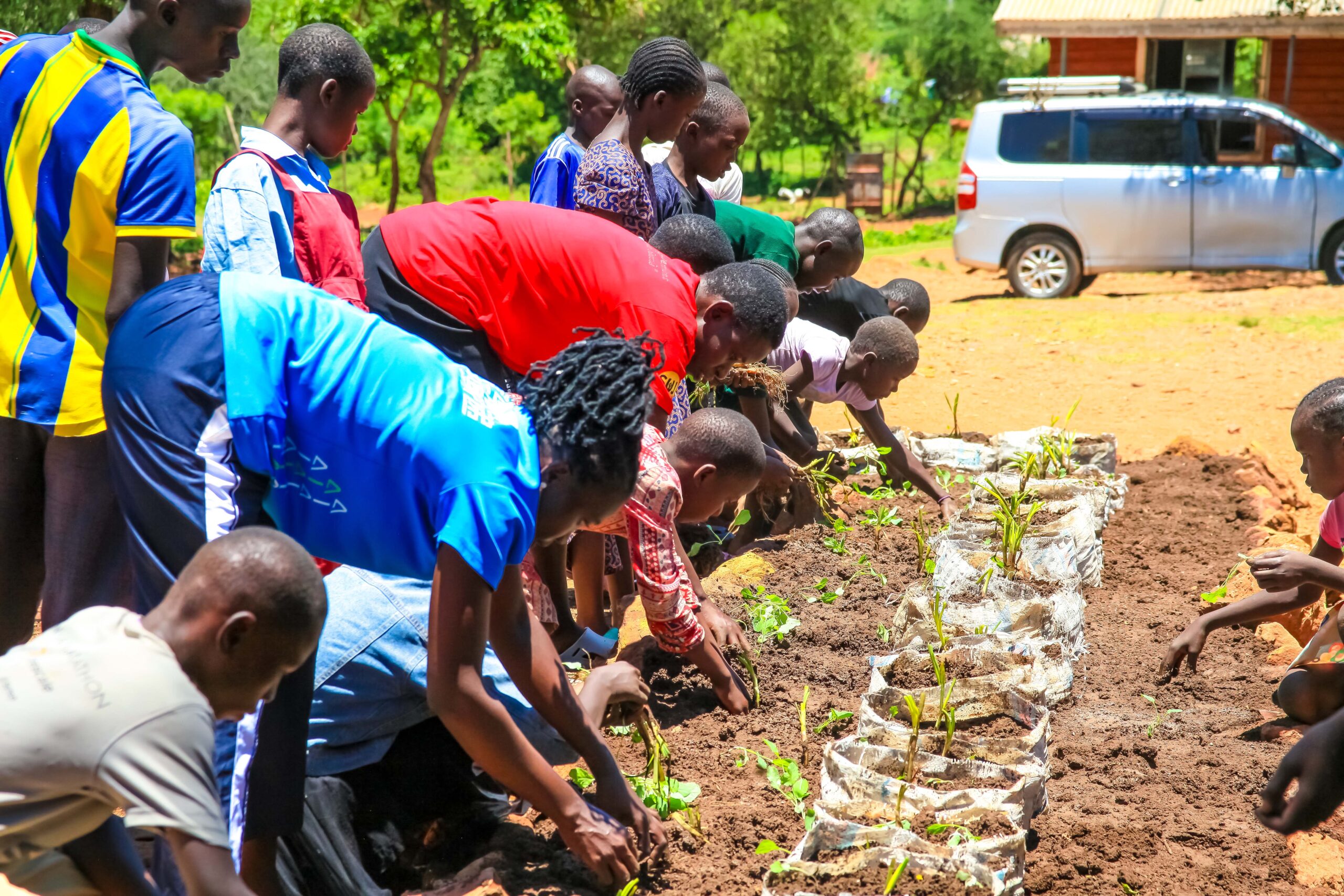
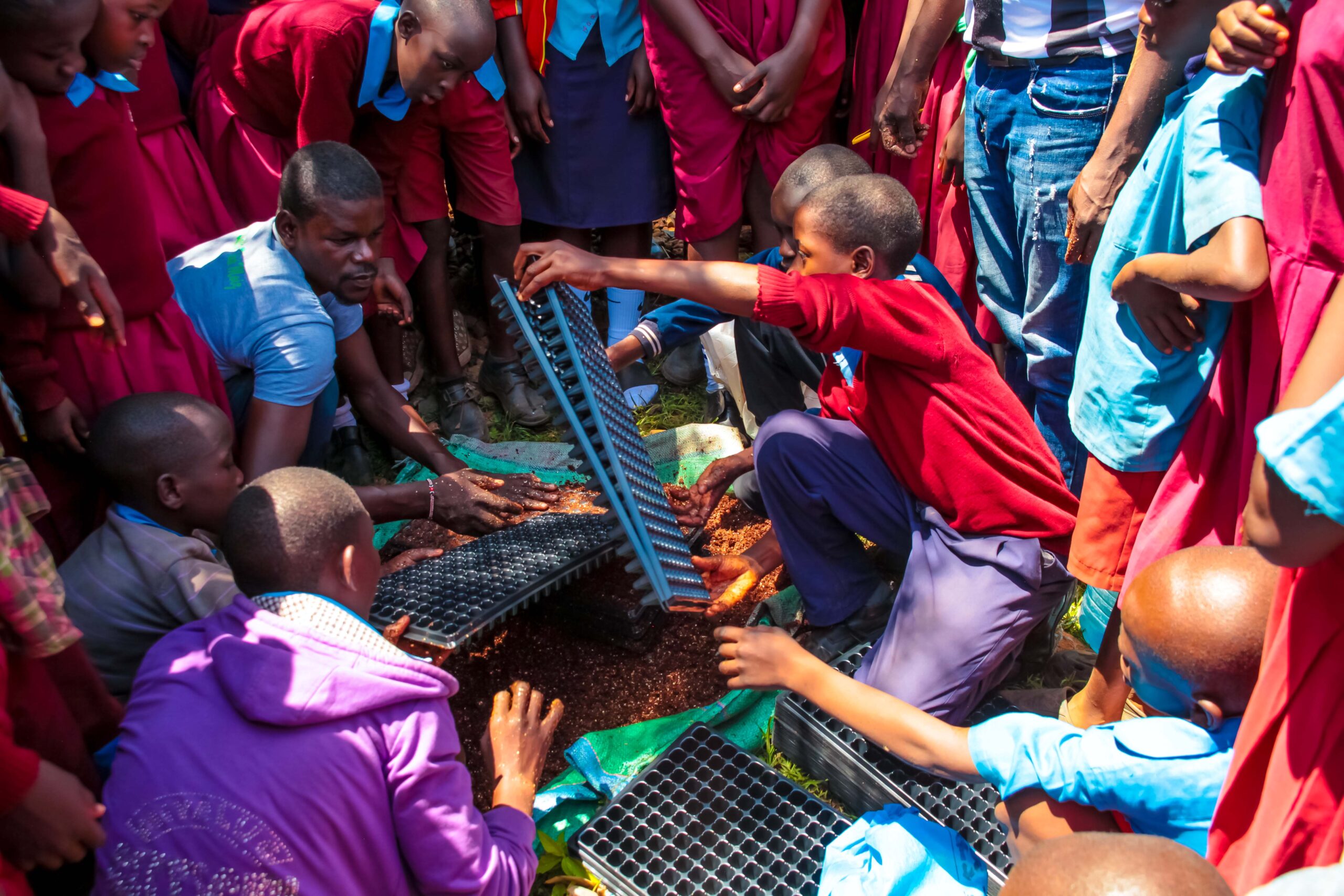
Before permaculture was introduced, the school's land was largely underutilized — dry, compacted, and vulnerable to erosion during heavy rains. Permaculture shifted the paradigm by teaching students to work with nature rather than against it.
- Soil Preparation & Regeneration: double-digging beds, mulching to retain moisture, protecting essential micro-organisms.
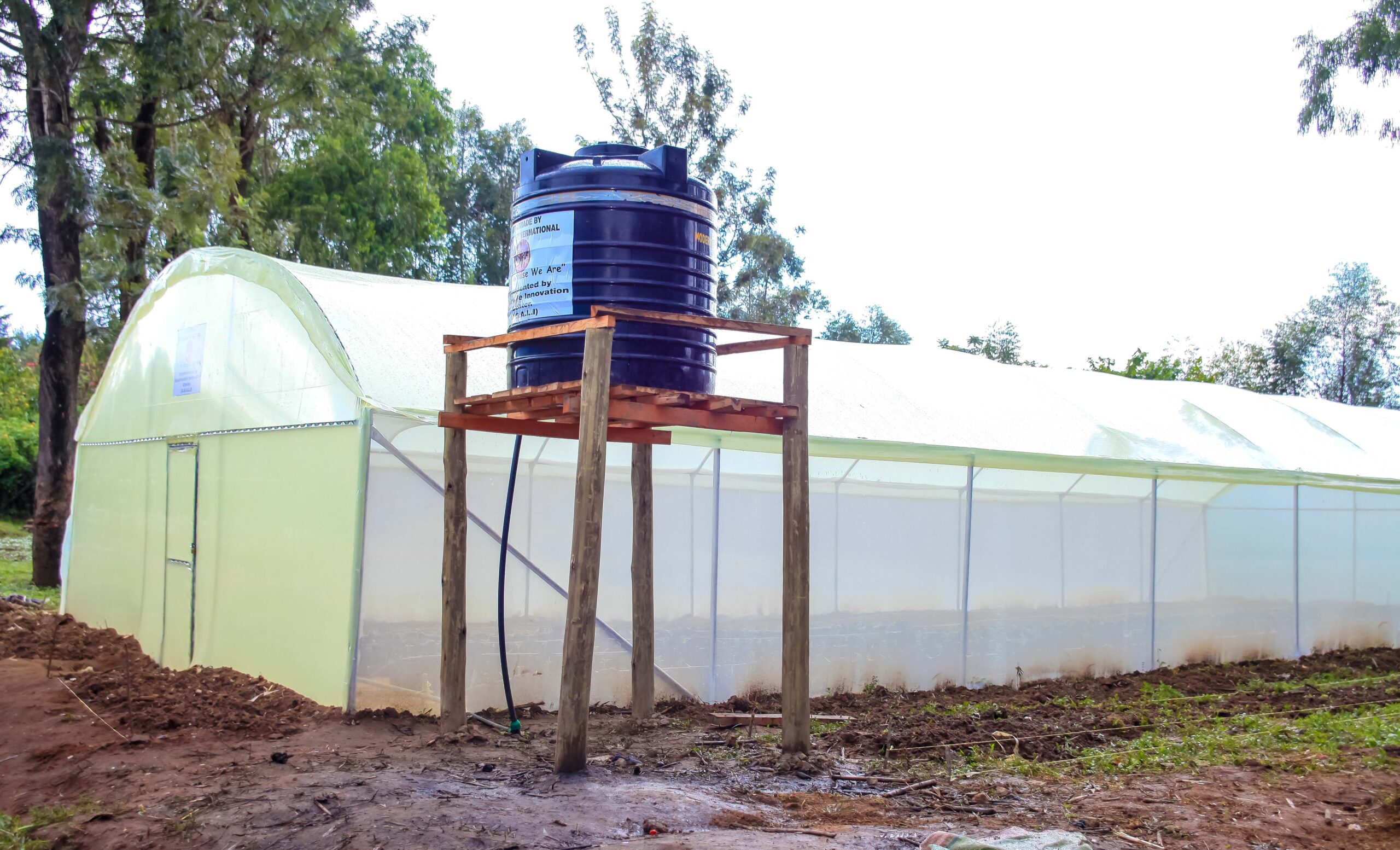
- Water Conservation: swales, rainwater harvesting, and drip irrigation from recycled materials.
- Manure & Compost Production: organic waste, livestock manure, and dry leaves built into nutrient-rich compost heaps.
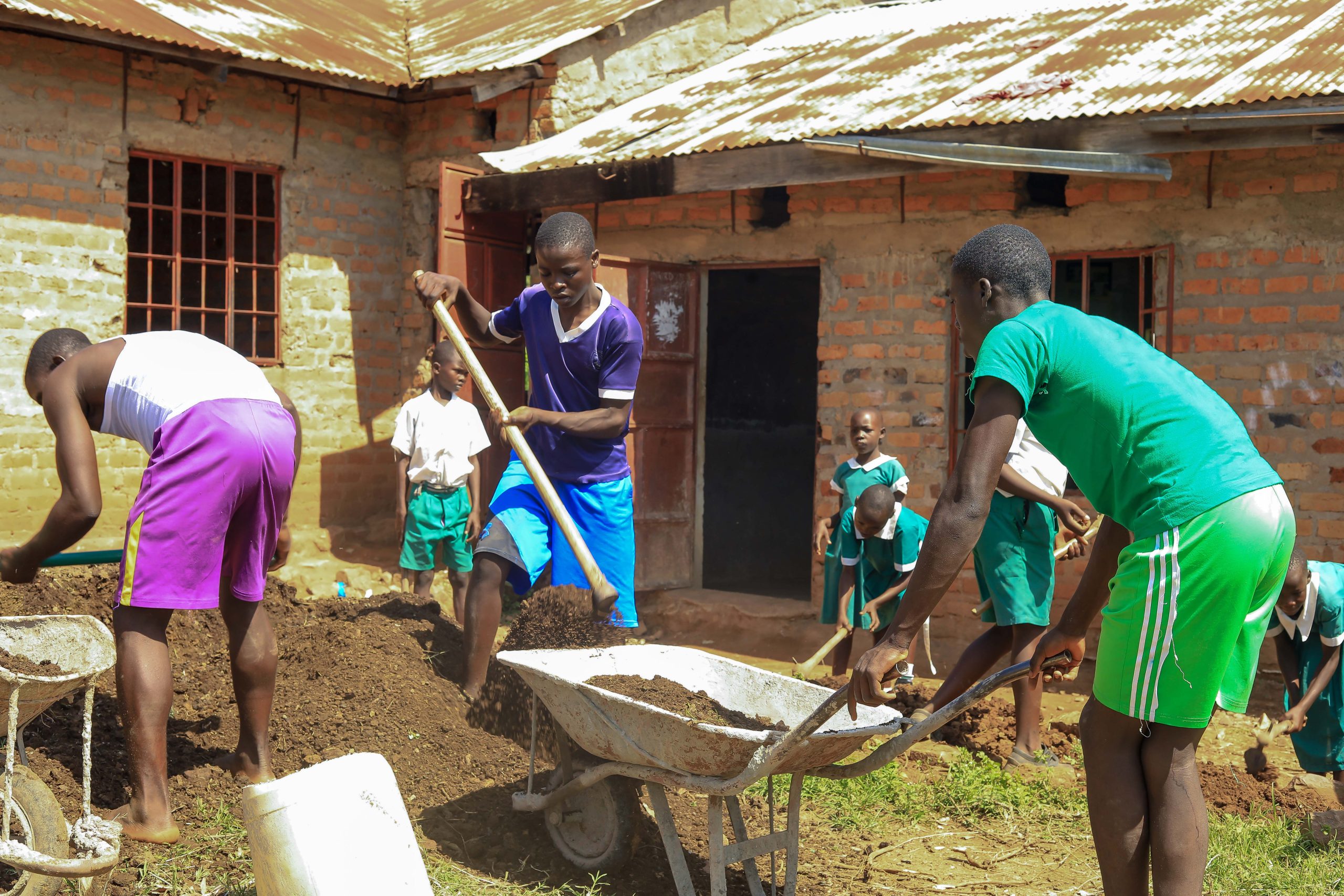
“Environmental science turned from abstract textbook theory into a practical, lifelong skill.”
High-Yield Production
School Revenue Generation
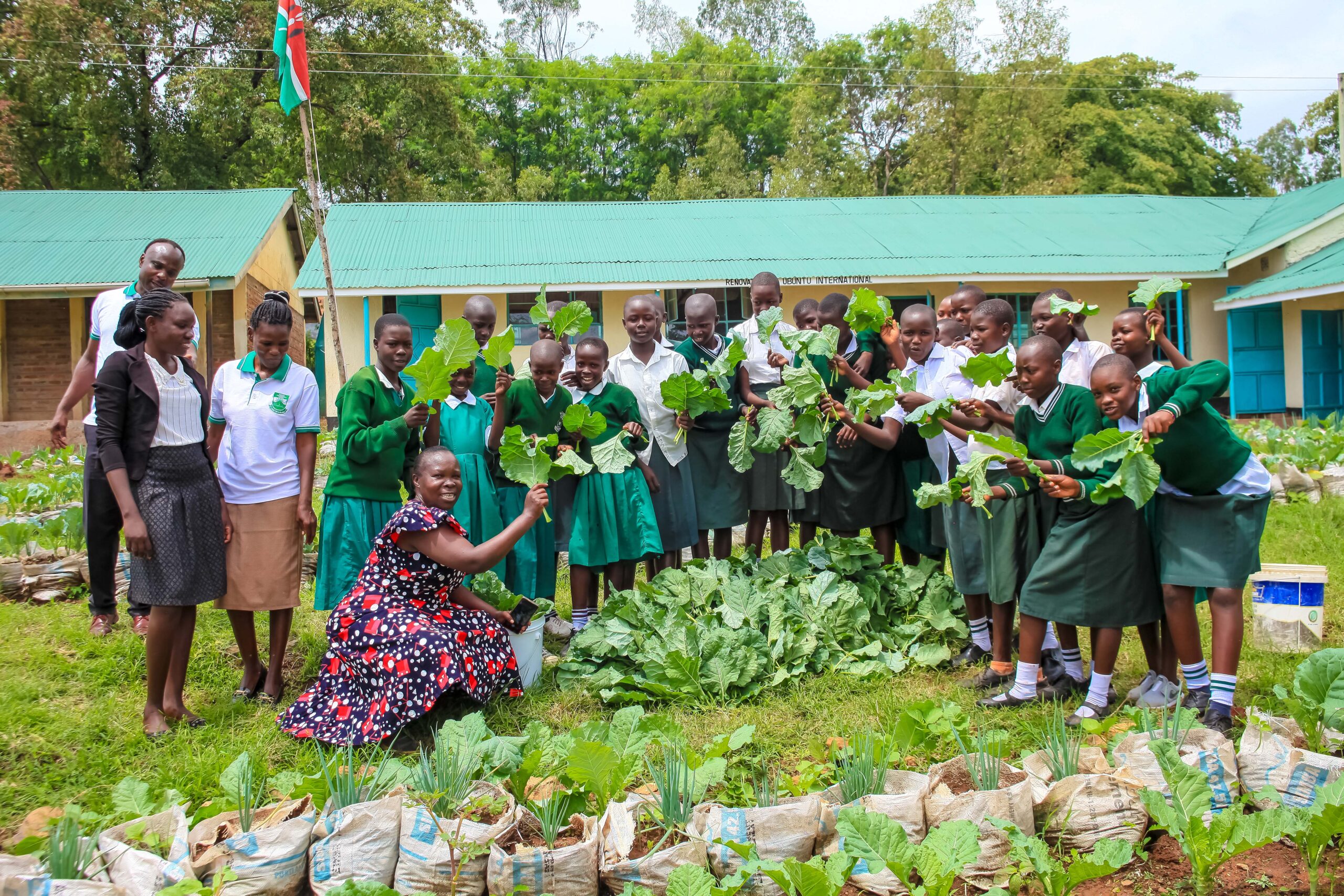
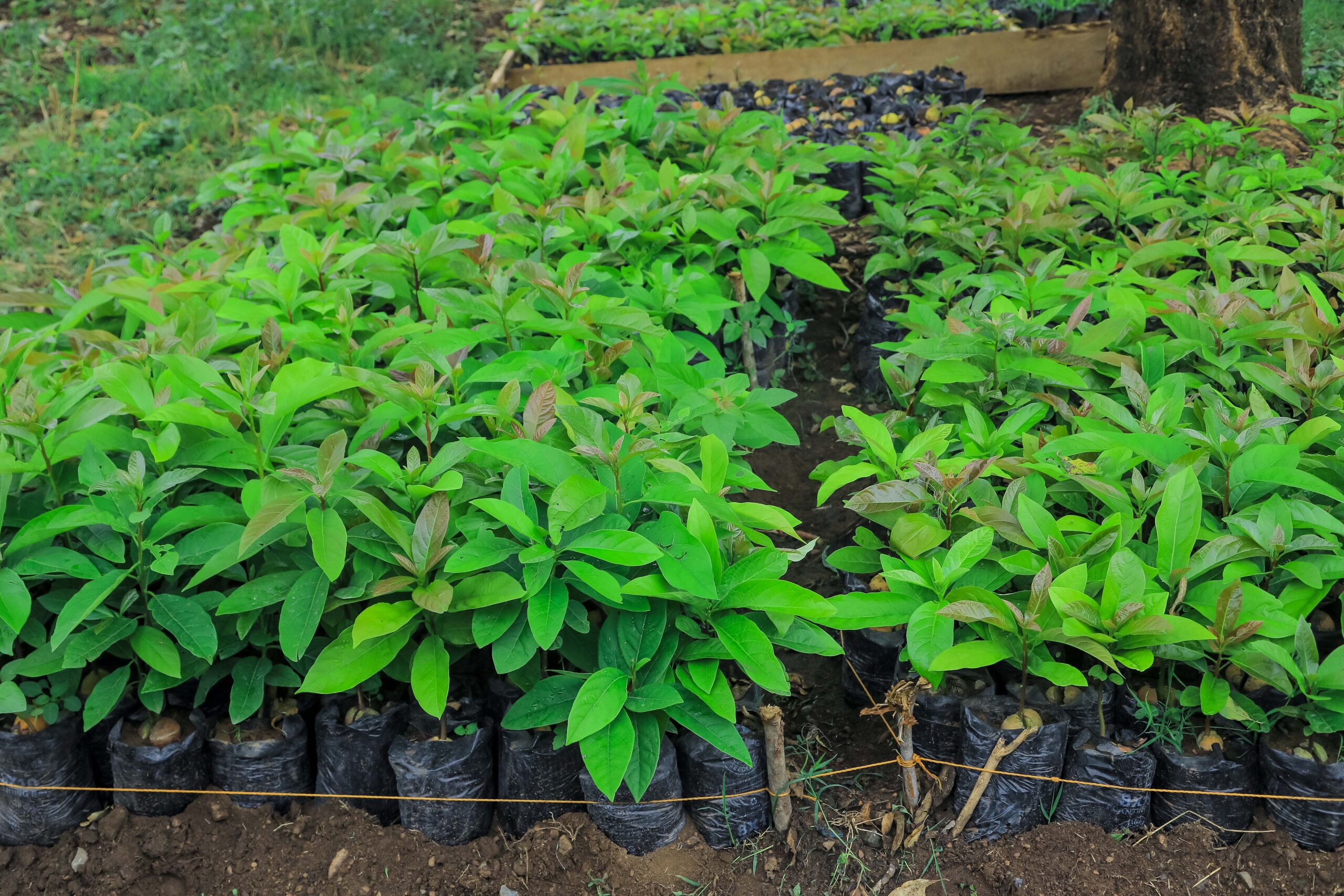
With restored soil and reliable water practices, the school established thriving plots of leafy greens, tomatoes, onions, and fruit tree seedlings. Surplus is sold at local markets and directly to community members:
- Infrastructure Support: crop sales fund educational materials, repairs, and farm tools.
- Self-Sustaining Operations: surplus income funds seeds and nursery equipment.
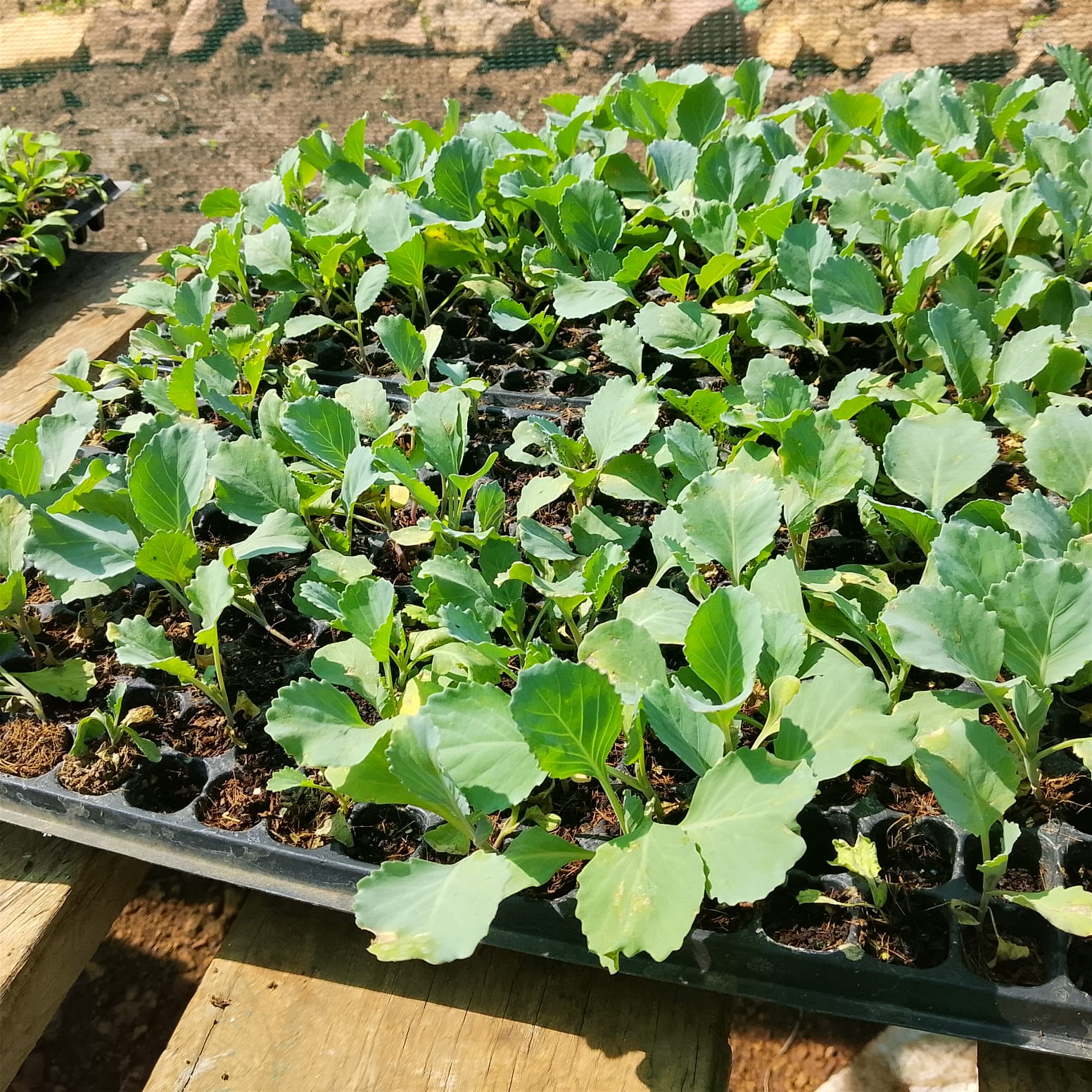
- Community Seedling Supply: resilient plant varieties for neighbouring farmers.
Nutrition & Enrollment
Boosting Government Funding
Prior to the programme, chronic malnutrition affected attendance and cognitive development. Hunger made concentrating difficult, and illness often forced children to stay home.
- Nutritional Security: daily meals enhanced with vitamins and minerals from fresh produce.
- Increased Attendance: nutrient-dense meals incentivized consistent enrollment.
- Higher Government Funding: stabilized attendance qualified the school for higher capitation grants.
Better meals led to higher attendance, which directly increased public funding for the school.

A Demonstration Centre
Community Adoption
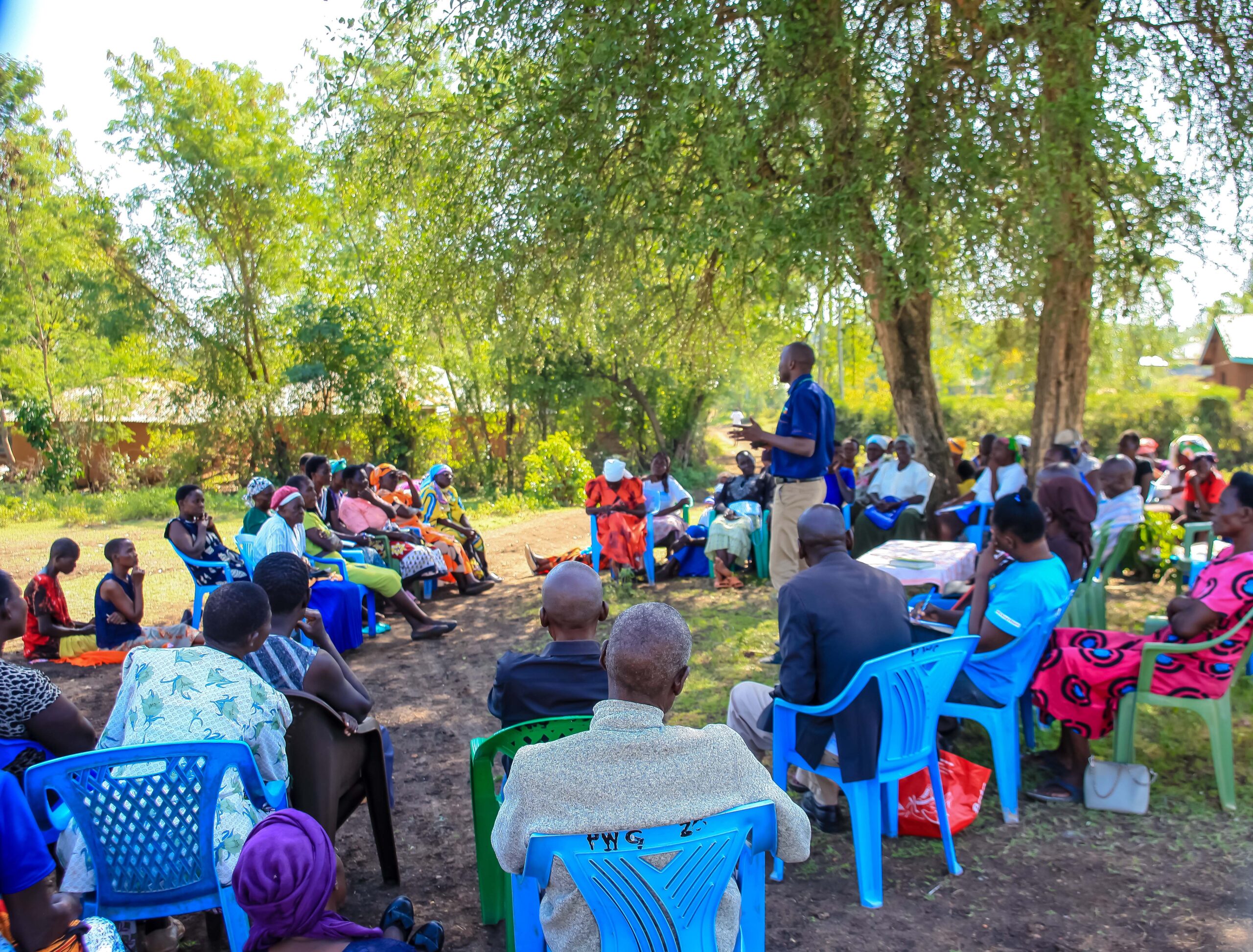
Children brought their newly acquired agricultural knowledge home, sparking interest among parents and smallholder farmers. Open demonstration days let mothers, fathers, and local youth observe:
- How swales catch and hold runoff water during short rains.
- How companion planting deters pests without costly chemical pesticides.
- How home compost pits turn food scraps into fertile soil amendment.
Women's Empowerment & Conflict Reduction
The Deepest Ripple Effect
Perhaps the most significant social outcome of the permaculture project was its impact on gender dynamics and household stability. Historically, many women in the village relied entirely on male companions for household expenses, limiting their independence and decision-making power.
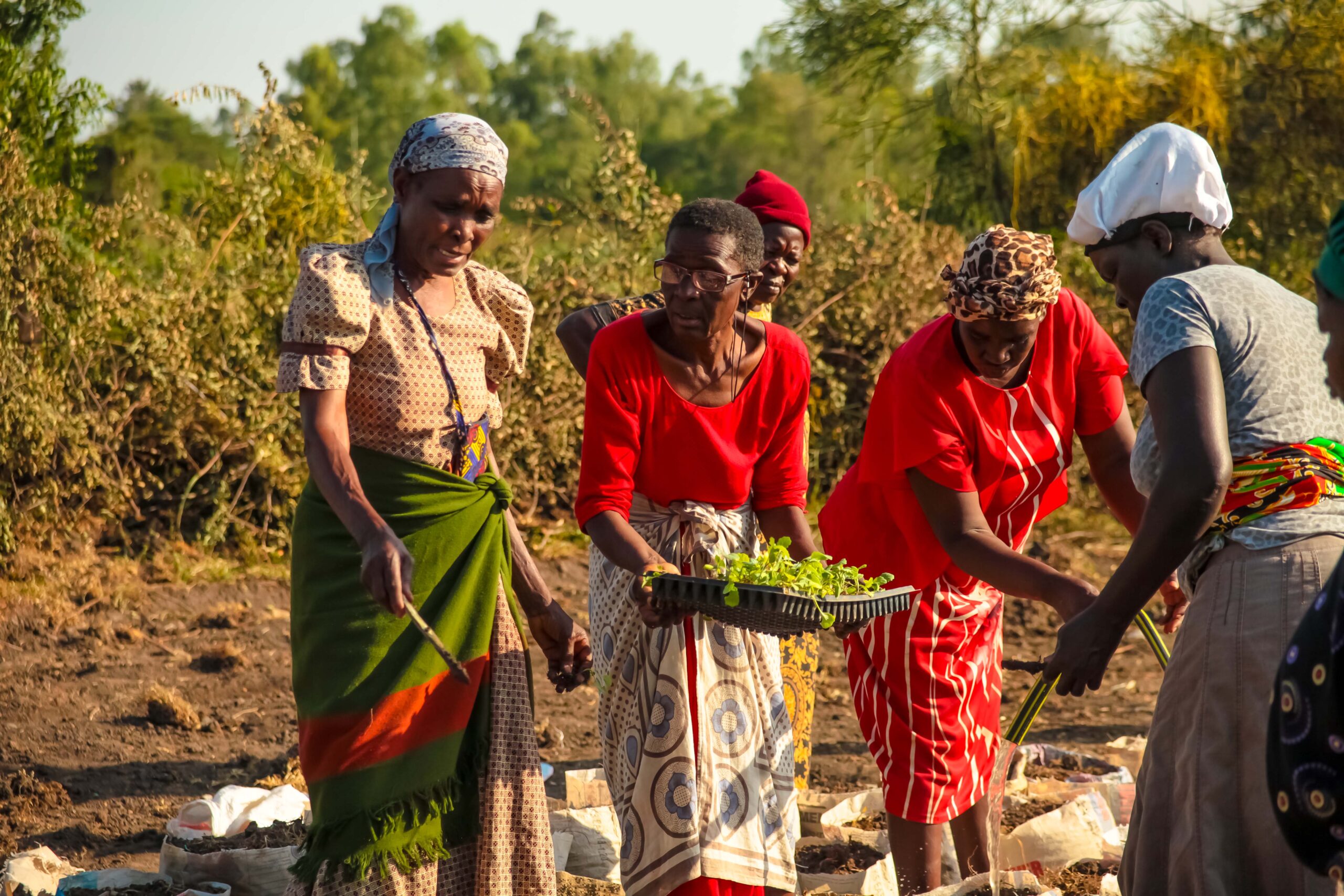
As the school's permaculture model spread to local women's self-help groups, wives and mothers established their own kitchen gardens and small-scale nurseries — reshaping household economics from the ground up.
| Strategic Area | Immediate Impact | Broader Social Outcome |
|---|---|---|
| Financial Independence | Women generate direct household income by selling surplus vegetables and seedlings. | Reduced economic dependency on male partners, granting women greater autonomy. |
| Household Food Security | Daily dietary needs met directly from home kitchen gardens. | Less financial pressure on men to cover all meal expenses during lean months. |
| Domestic Conflict | Stress around food scarcity and money is significantly eased. | Fewer domestic disputes and less family tension. |
When financial strain declines and women become active co-providers, family relationships improve. Mutual respect increases, and resources are allocated more equitably toward child welfare, healthcare, and education.
Nourishing Minds and Communities
The Multi-Faceted Impacts of School Feeding Programs
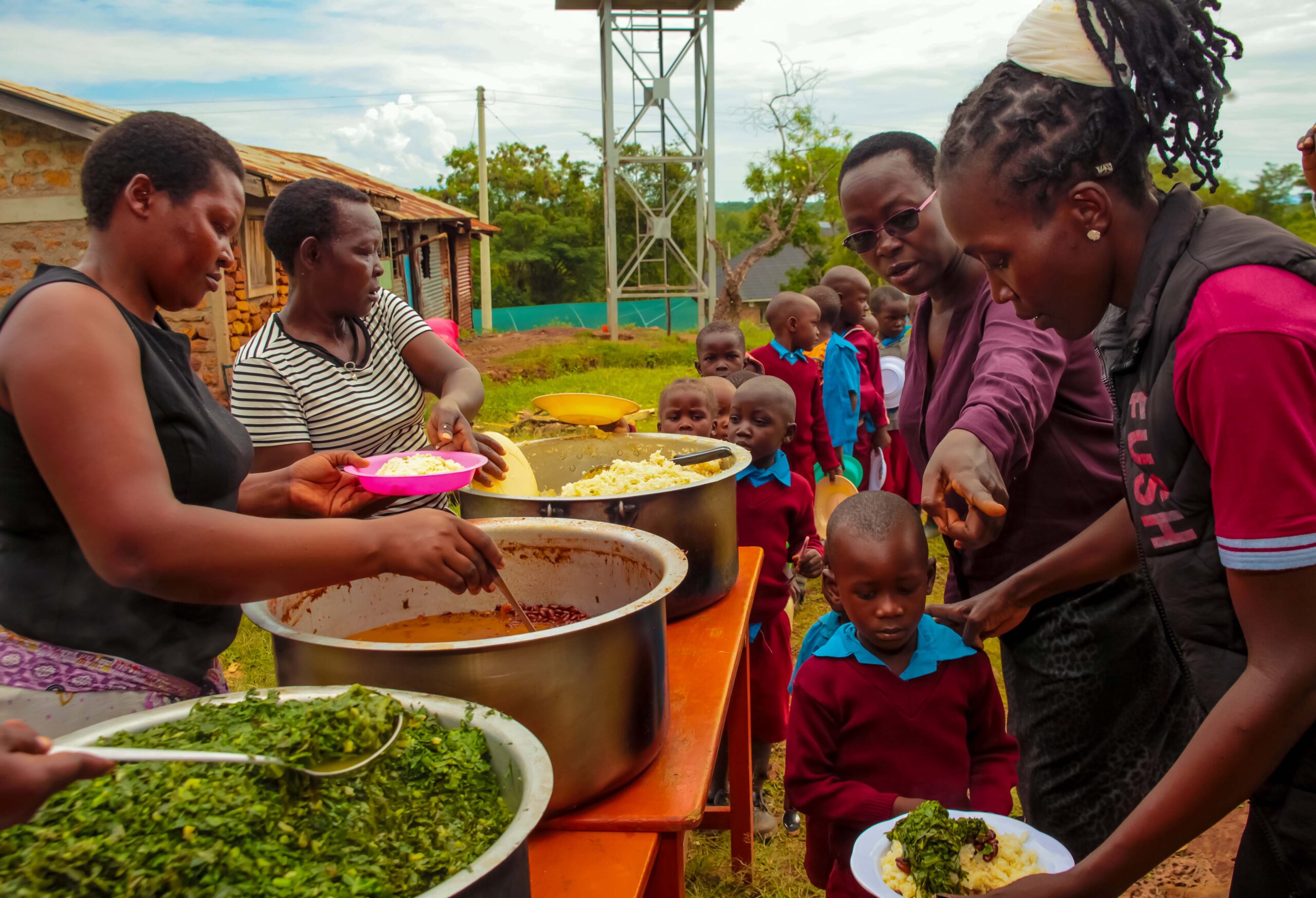
When schools provide reliable, nutrient-dense meals derived from local climate-smart initiatives, the immediate physical outcome is only the beginning. Beyond relieving hunger, school feeding programmes serve as a powerful catalyst for social cohesion, physical vitality, consistent attendance, and heightened academic performance.
Eliminating Absenteeism
Maximizing Daily Turnout
For many children in food-insecure households, the guarantee of a warm, daily meal transforms school from an option into an essential daily destination.
- Direct Attendance Incentive: parents are far more motivated to send their children to class consistently when the school covers a crucial portion of daily nutritional needs.
- Reduction in Chronic Absenteeism: children who once missed school due to hunger-induced fatigue or the need to forage elsewhere are now present every day.
- Stabilized Educational Trajectory: consistent daily turnout ensures students don't fall behind in sequential lessons, lowering dropout rates across all grade levels.

“A hungry child simply cannot concentrate — a nourished one is ready to learn.”
Social Bonding
Peer Relationships
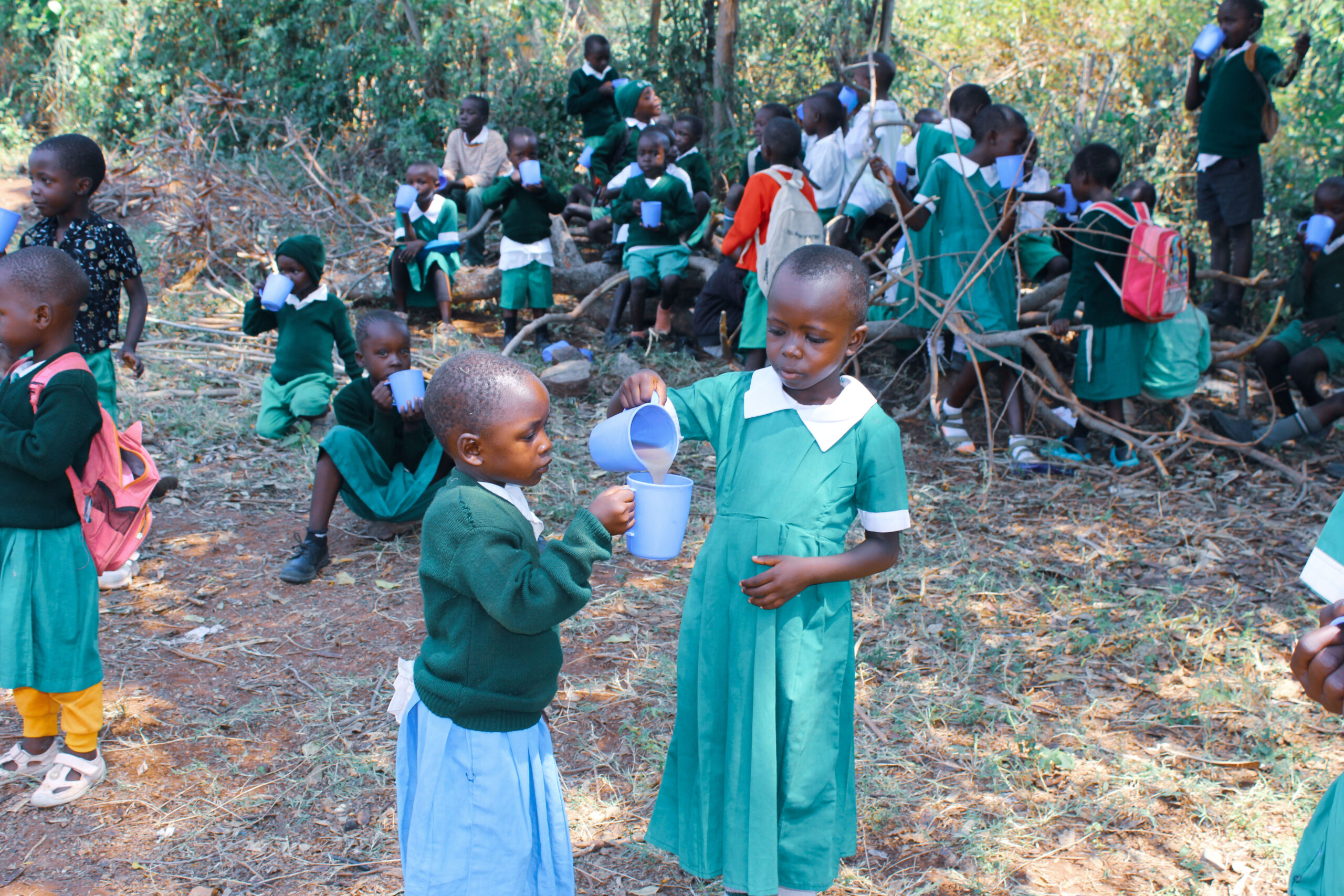
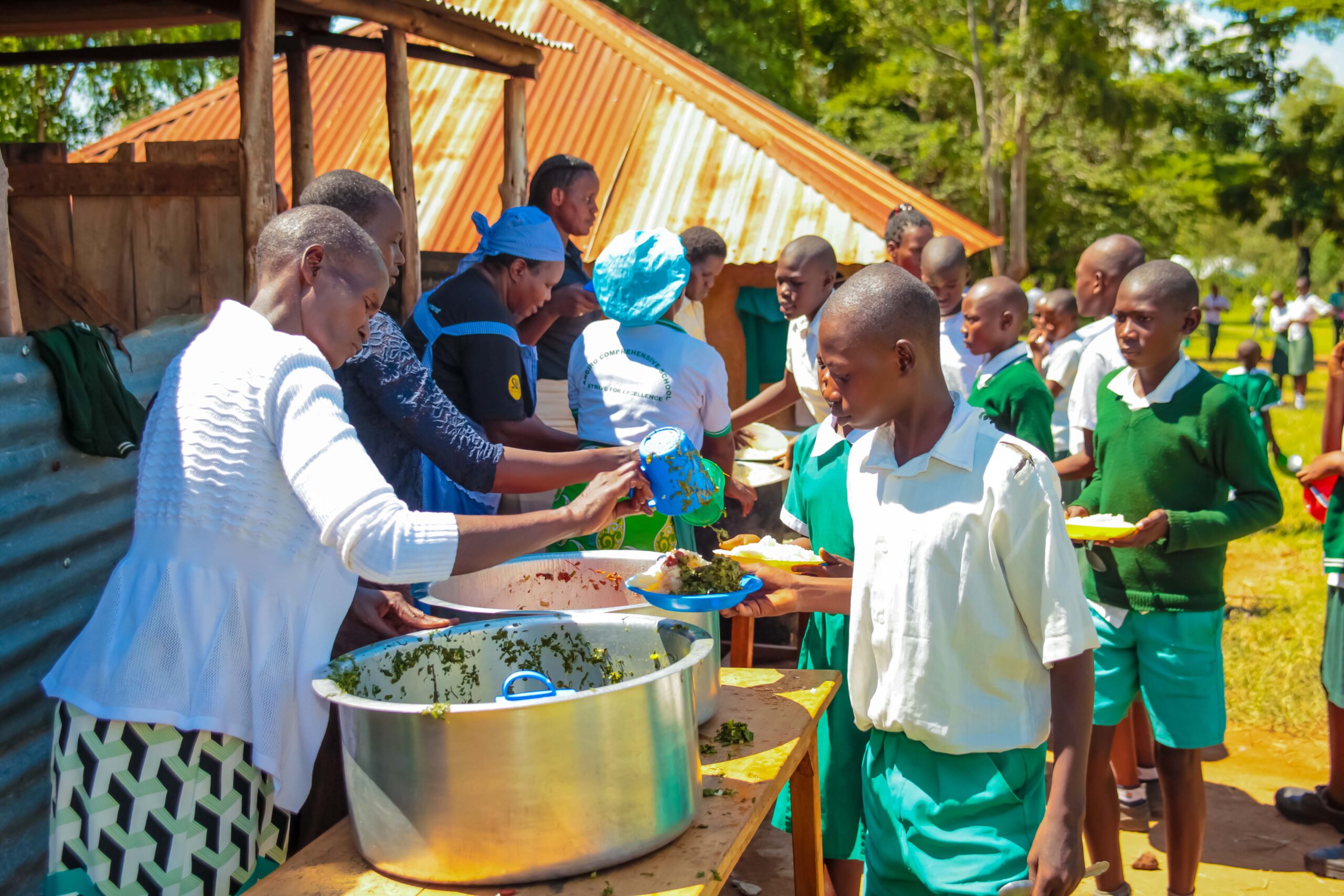
Shared mealtimes create a communal space where learning extends beyond academic instruction. Gathering around a meal offers a natural setting for students to connect, relax, and build meaningful relationships.
- Fostering Social Cohesion: eating together breaks down social barriers between children from different backgrounds.
- Creating Safe Social Spaces: mealtimes give children a regular chance to converse, share moments, and laugh together.
- Building Empathy and Peer Support: shared food and experiences build support networks, reducing bullying and encouraging teamwork.
Physical Health
Meal Consistency
Regular access to fresh produce directly combats the physical toll of seasonal hunger and nutrient deficits.
- Elimination of Skipped Meals: school meals bridge the gap between lean home supplies, ensuring balanced nutrients every day.
- Strengthened Immune Systems: daily vitamins and minerals from fresh vegetables reduce sickness-related absences.
- Healthy Growth Metrics: consistent nutrient intake supports normal growth, preventing stunting and lethargy.
Enhancing Classroom Focus
Academic Performance
A hungry child simply cannot concentrate, as the cognitive burden of an empty stomach causes brain fog, short attention spans, and passive engagement in lessons — ultimately leading to high failure rates and repeated grades.
Providing daily, nutrient-rich meals restores a student's mental energy and processing speed, replacing lethargy with active classroom participation and eager curiosity. As students gain the sustained focus required for memory retention and complex problem-solving, their exam scores, literacy rates, and overall academic achievements improve dramatically.
A Foundation for Lifelong Success
School feeding programmes do far more than fill plates — they fuel potential. By pairing sustainable permaculture production with daily meal delivery, schools create a self-sustaining ecosystem that keeps children healthy, engaged, and eager to learn.
Unlocking Potential
The Transformative Impact of Education Scholarships and School Levy Support
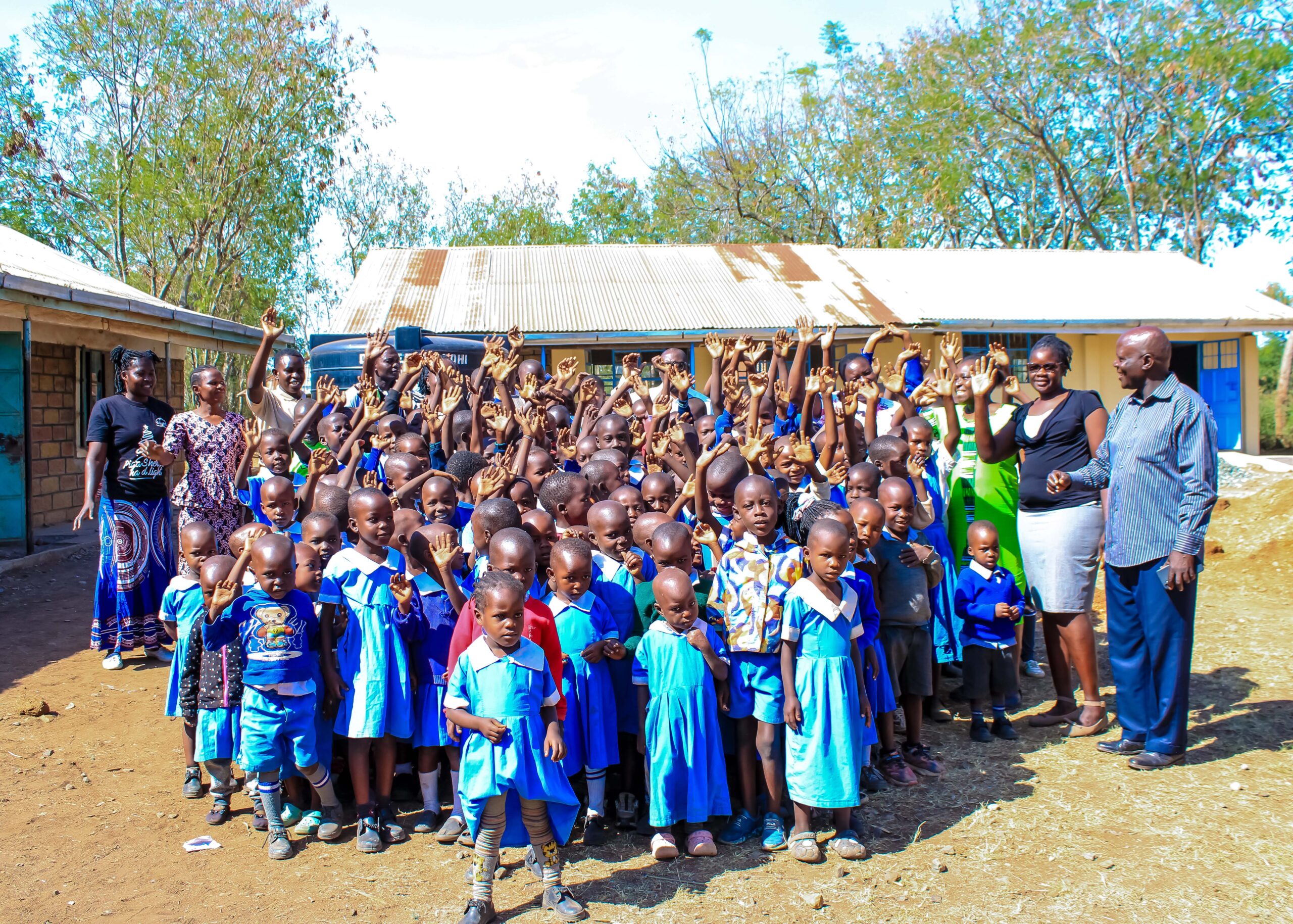
Access to quality education remains one of the most effective pathways out of generational poverty. However, for many bright and determined children, mandatory school fees and levies create an insurmountable barrier. Scholarship programmes and school levy support initiatives directly bridge this gap, ensuring that economic hardship does not dictate a child's academic future.
Relieving Financial Burden
On Vulnerable Families
Many households struggle under severe economic constraints, particularly single-parent homes, large families with multiple dependents, and parents relying on scarce casual labour.
- Easing Household Stress: covering school fees eliminates the agonizing choice between paying for basic daily survival needs and funding a child's education.
- Protecting Casual Labourers: consistent scholarship support guarantees that a bad week of work does not result in a child being sent home from school.
- Equitable Support for Large Families: levies and scholarships ensure every child gets an equal opportunity to attend school, rather than parents having to choose.
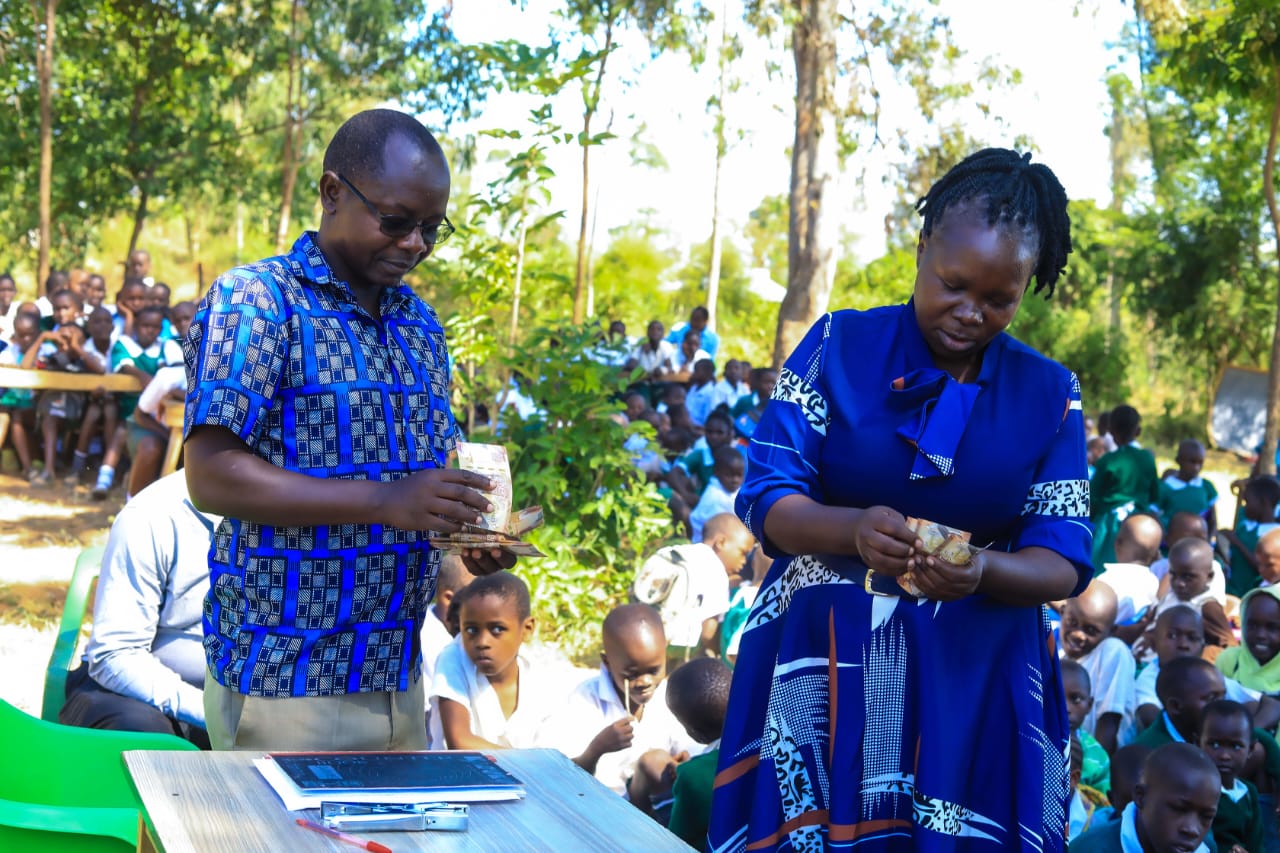
“Economic hardship should never dictate a child's academic future.”
Increasing Enrollment
And Student Turnout
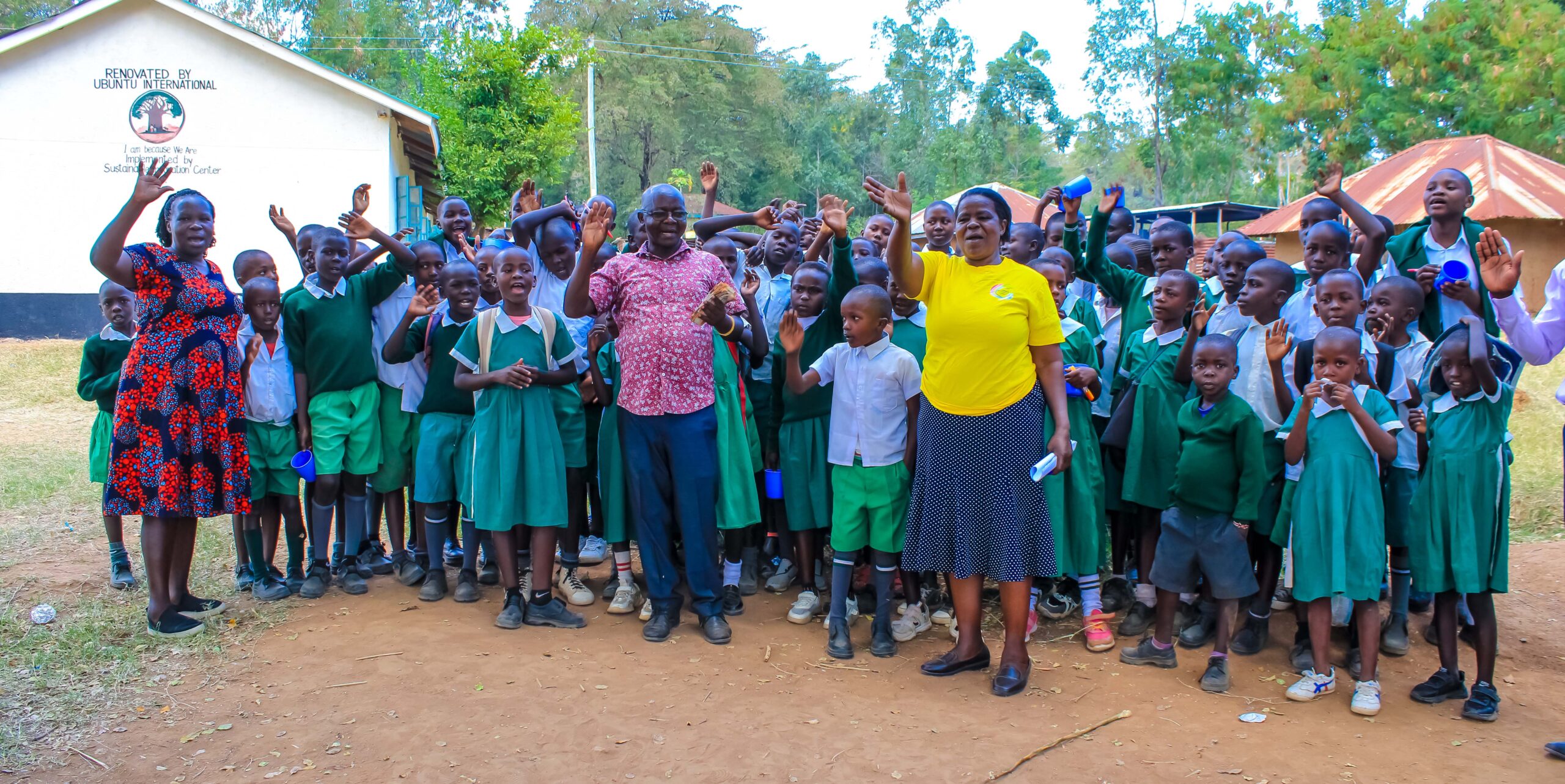
The introduction of school levy subsidies and scholarship opportunities produces an immediate surge in student participation and retention.
- Broadening Access: lowering financial barriers enables vulnerable children — who would otherwise drop out or never enroll — to enter the formal education system.
- Preventing Interruptions: students no longer face periodic suspensions or missed classes due to unpaid balances.
- Maximizing School Capacity: higher attendance allows schools to operate at full capacity, optimizing resources and grant support for all students.
Fostering Ambition
Motivation and Academic Drive
Beyond solving financial logistics, receiving educational support creates a deep psychological impact on students, shifting their mindset from survival to achievement.
Restoring Confidence and Dignity: knowing their education is secure frees students from the anxiety and stigma associated with fee balances, allowing them to focus entirely on their studies. Inspiring Hard Work: financial aid acts as a powerful vote of confidence — recognizing that sponsors and their community believe in their potential motivates students to study harder and aim higher. Cultivating Long-Term Ambition: access to sustained education opens horizons beyond manual labour, empowering students to dream of professional careers and break the cycle of poverty for their families.
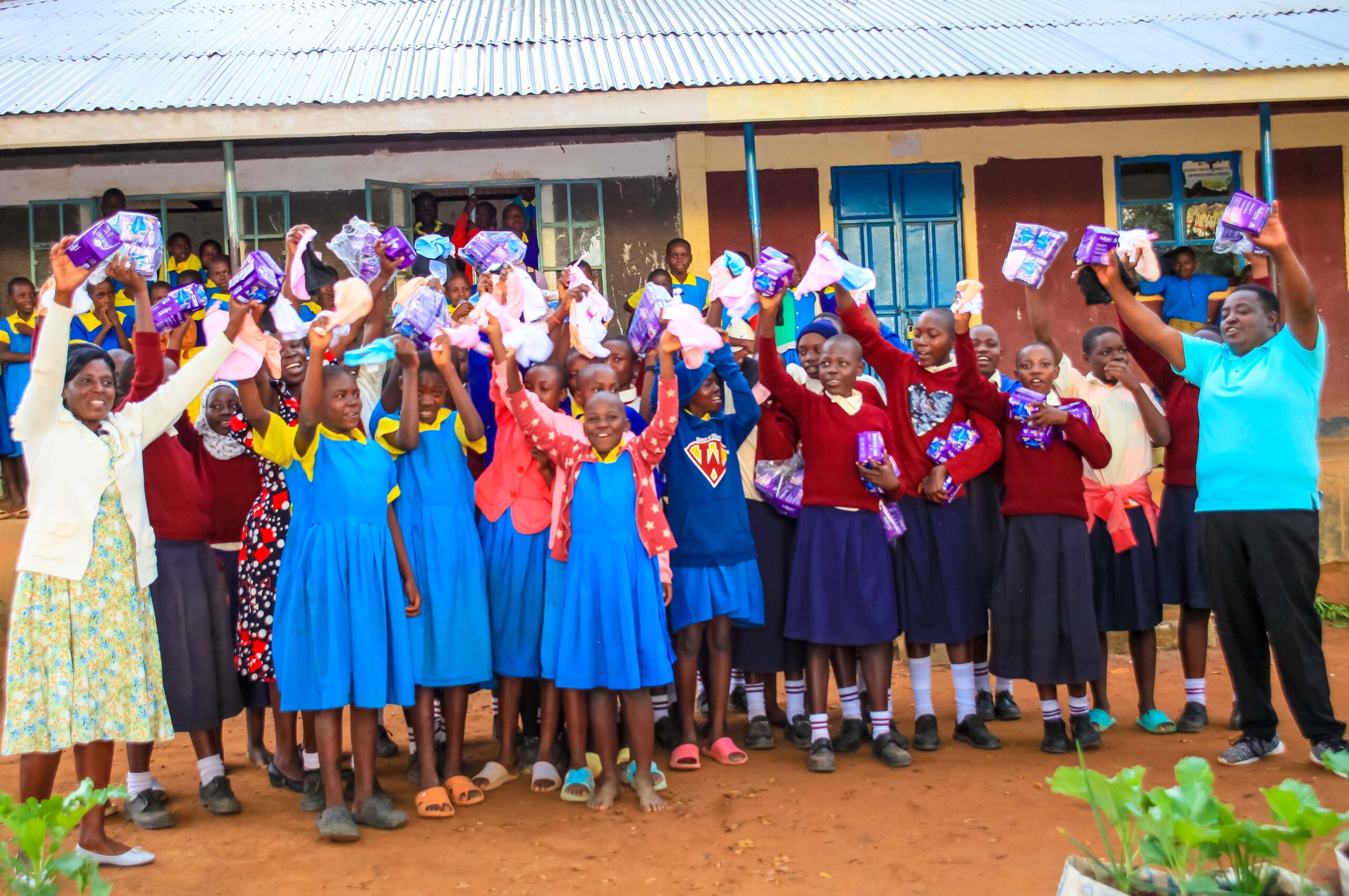
Fostering Dignity, Confidence, and Equal Participation
Beyond the physical benefits, addressing period poverty transforms a girl's self-esteem and presence in the classroom.
- Dismantling Stigma and Taboos: normalizing discussions around menstruation through peer clubs and educational workshops breaks down long-standing cultural taboos, replacing silence and embarrassment with open understanding.
- Restoring Classroom Engagement: free from the fear of leaks or teasing, female students participate actively in classroom discussions, sports, and leadership roles alongside their male peers.
- Unlocking Academic Ambition: when girls no longer fear missing school every month, their academic confidence grows. They begin setting higher goals for higher education and future careers, knowing their monthly cycle will not hold them back.
Breaking the Cycle of Poverty
How Economic Innovation and Financial Inclusion Empower Local Women
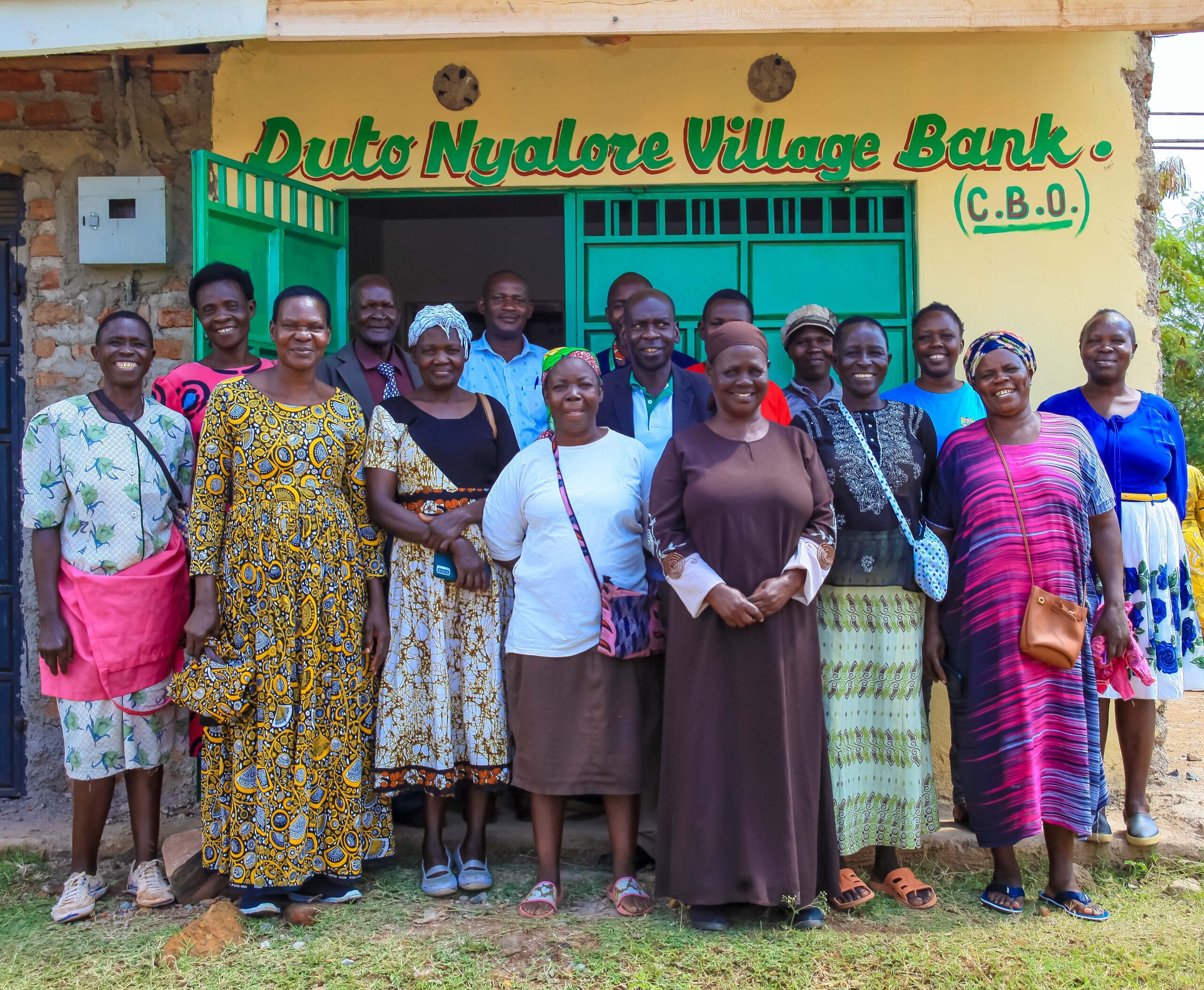
True women's empowerment requires combining sustainable livelihoods with secure financial tools. Through targeted value addition in local resources like sisal and peanuts, alongside village banking structures, local women are transitioning from economic vulnerability to financial self-reliance. This multifaceted approach not only increases household incomes but also protects women from systemic financial exploitation.
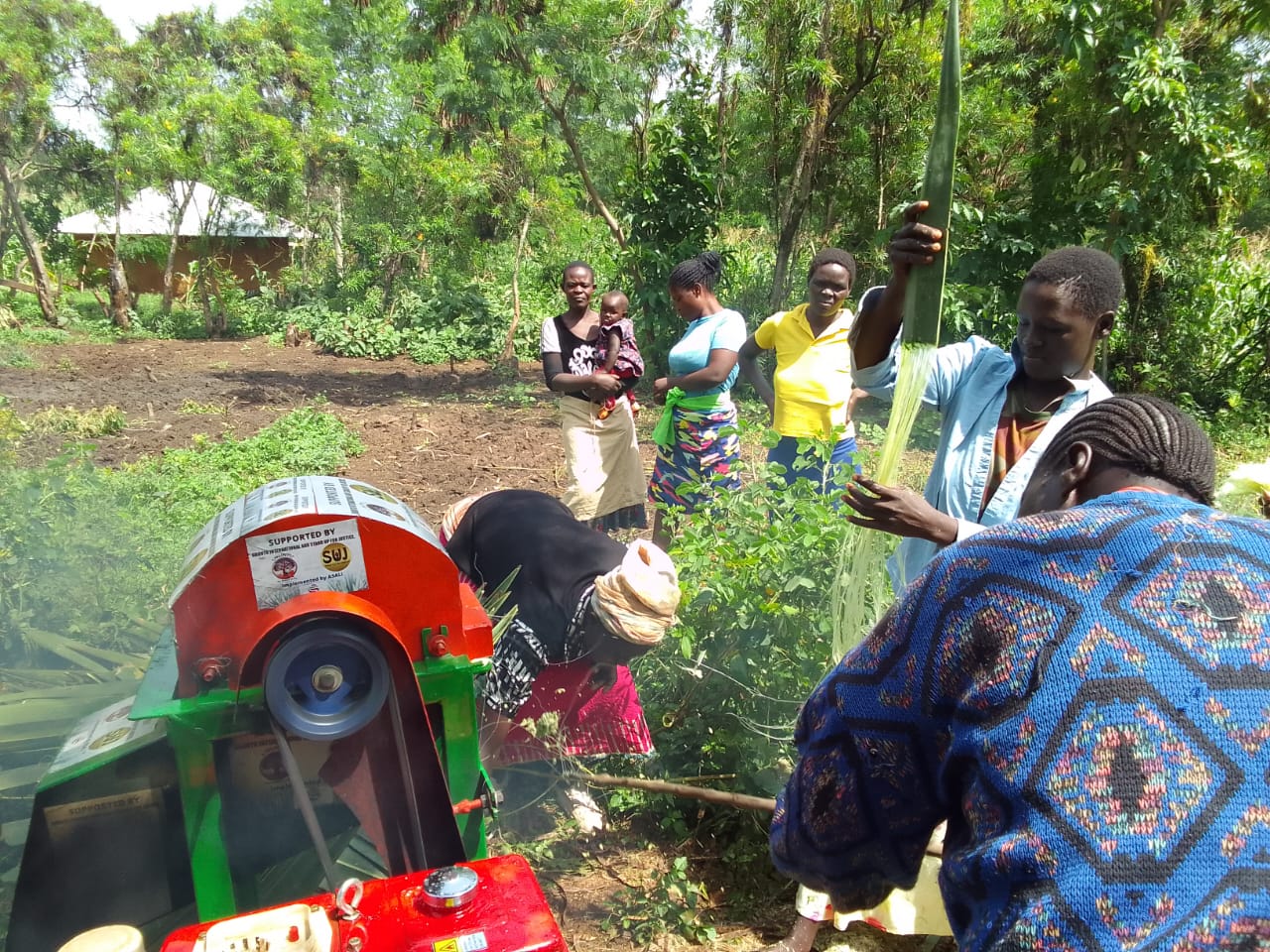
Sisal Value Addition
And Market Integration
Raw agricultural materials often yield minimal returns when sold without processing. By focusing on sisal value addition, women transform a hardy, native plant into diverse, marketable products.
- Creating Sustainable Livelihoods: women learn to process raw sisal into high-value items such as handcrafted baskets, ropes, mats, and eco-friendly packaging materials, dramatically increasing profit margins per harvest.
- Direct Market Access: linking artisan groups directly to local markets cuts out middleman brokers who historically underpaid producers, ensuring women capture the true value of their labour.
- Environmental Resilience: sisal is a drought-tolerant crop requiring minimal inputs, creating a climate-resilient income source that remains reliable even during severe dry seasons.
“Earning income is only half the battle — keeping it safe is what builds lasting wealth.”
Peanut Processing
Agro-Value Addition
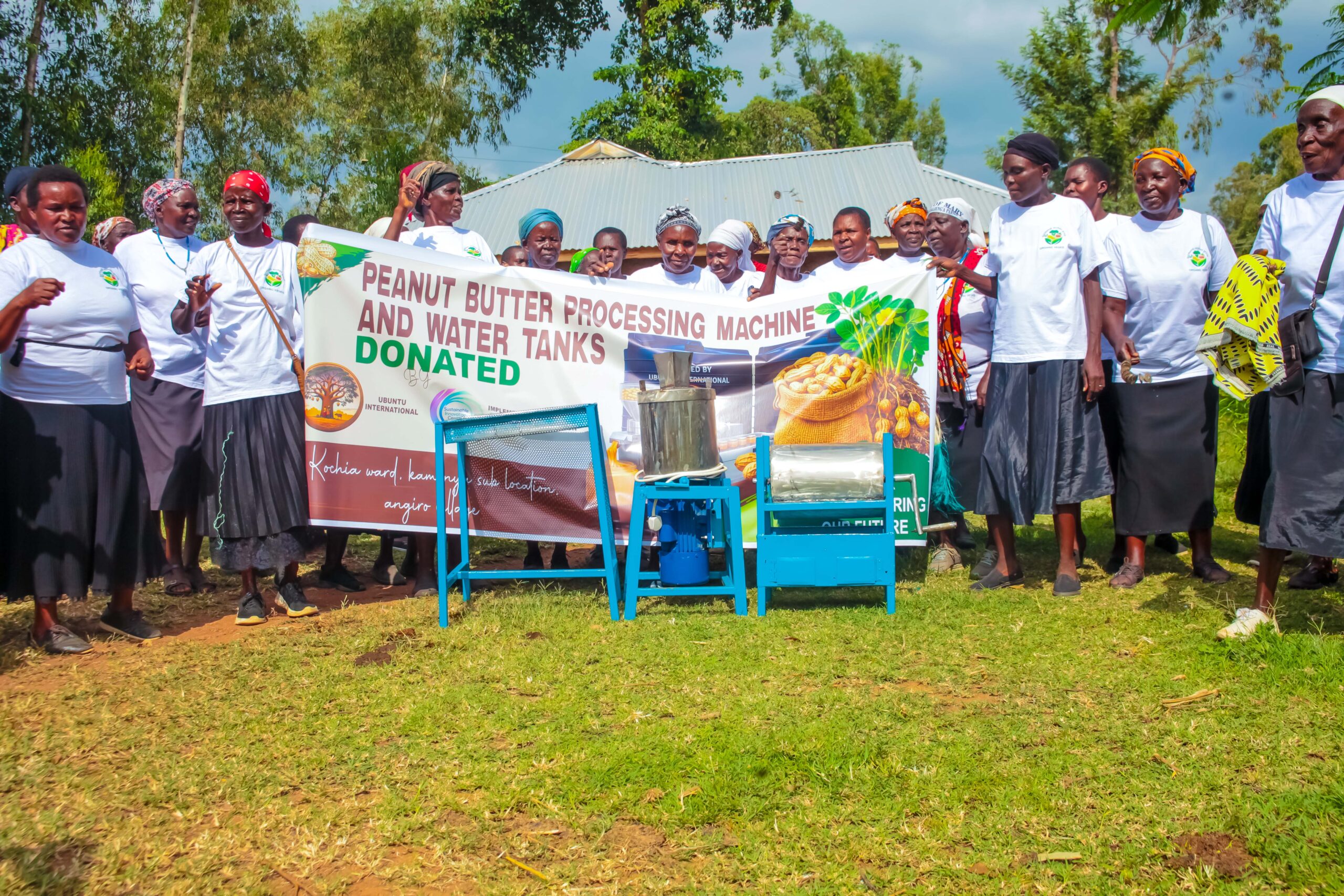
Agricultural value addition in food crops turns seasonal harvests into stable, year-round micro-enterprises.
- Expanding Economic Opportunities: processing raw peanuts into roasted snacks, peanut butter, and oil allows women to move up the supply chain from raw producers to food processors.
- Extended Shelf Life and Higher Income: packaged peanut products do not rot like fresh crops, giving women the leverage to store produce and sell when market prices are most favourable.
- Entrepreneurial Growth: managing small-scale processing operations equips women with business skills, product packaging knowledge, and trade negotiation experience.
Financial Safety and Village Banking
Eliminating Exploitation
Earning income is only half the battle; keeping it safe and accessing capital without predatory conditions is what builds lasting wealth.
Safe Storage of Funds: village banking groups give women a secure, transparent venue to store their earnings away from household theft or pressure to hand over cash to third parties. Affordable Capital for Growth: members can borrow money at low interest rates to reinvest in their sisal or peanut businesses, purchase machinery, or pay for family emergencies without falling into debt traps. Eliminating Exploitation: community-managed savings groups protect women from extortionate interest rates and predatory financial practices that historically targeted those without formal banking access.
The Life-Changing Impact of Clean Water Infrastructure
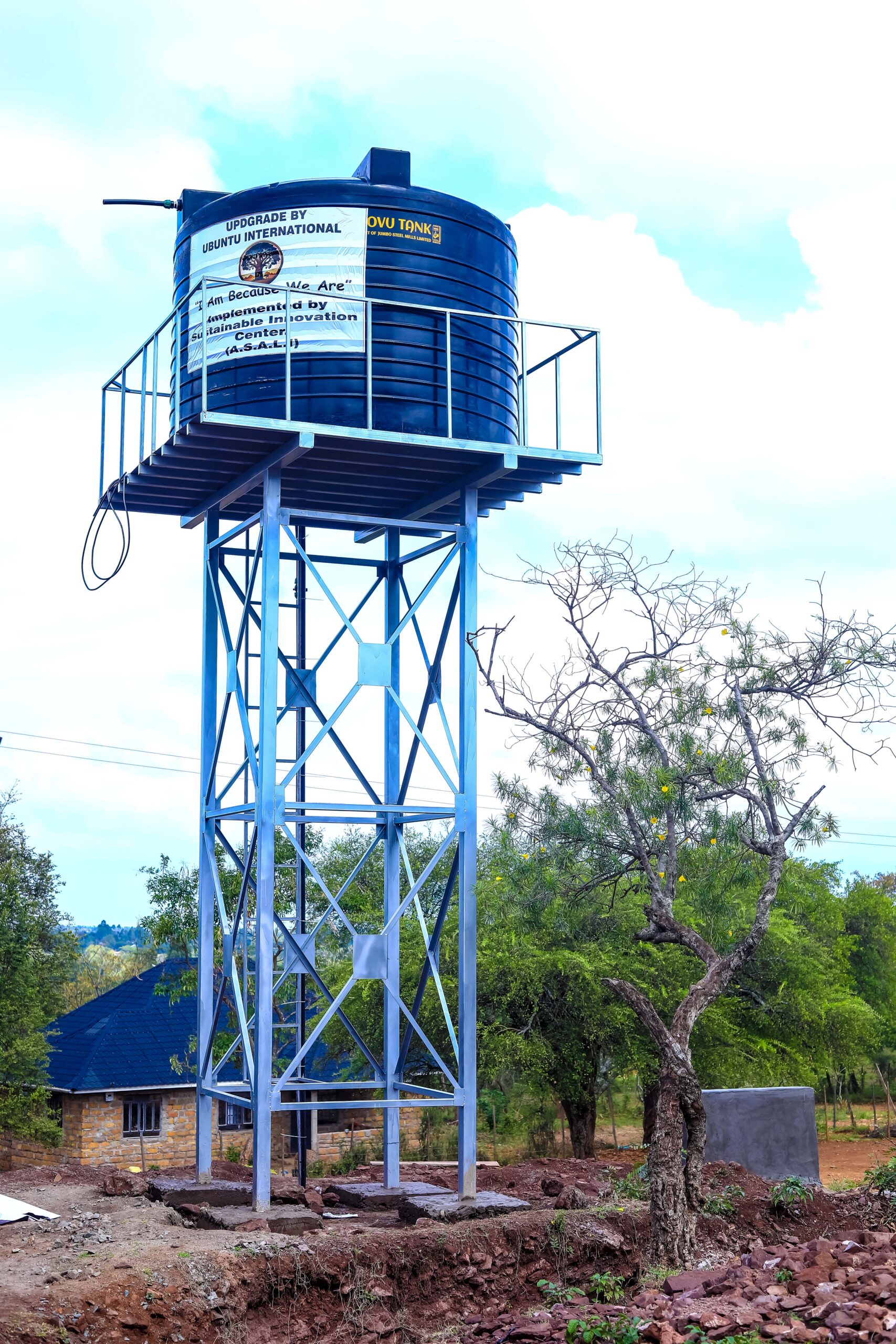
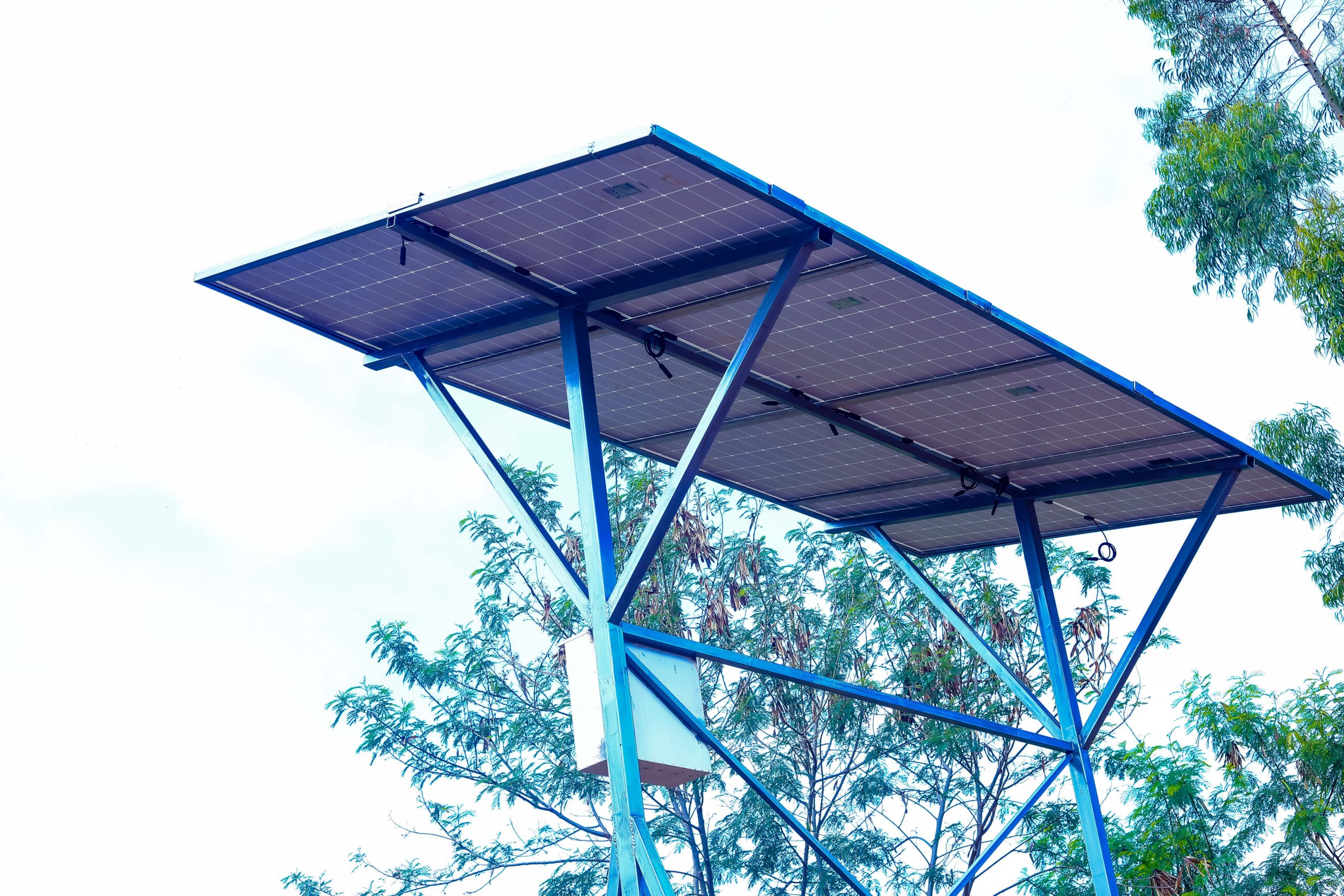
For generations, access to clean and safe water remained one of the most severe challenges facing the people of central Karachuonyo. Families relied on contaminated open ponds or spent hours trekking to distant water sources. Through the partnership between Ubuntu International and the Sustainable Innovation Center (SIC), delivering high-capacity rainwater harvesting tanks and upgrading a community borehole with a solar-powered pumping system has fundamentally transformed daily life across the region.
Eliminating Long Journeys
Reclaiming Productive Time
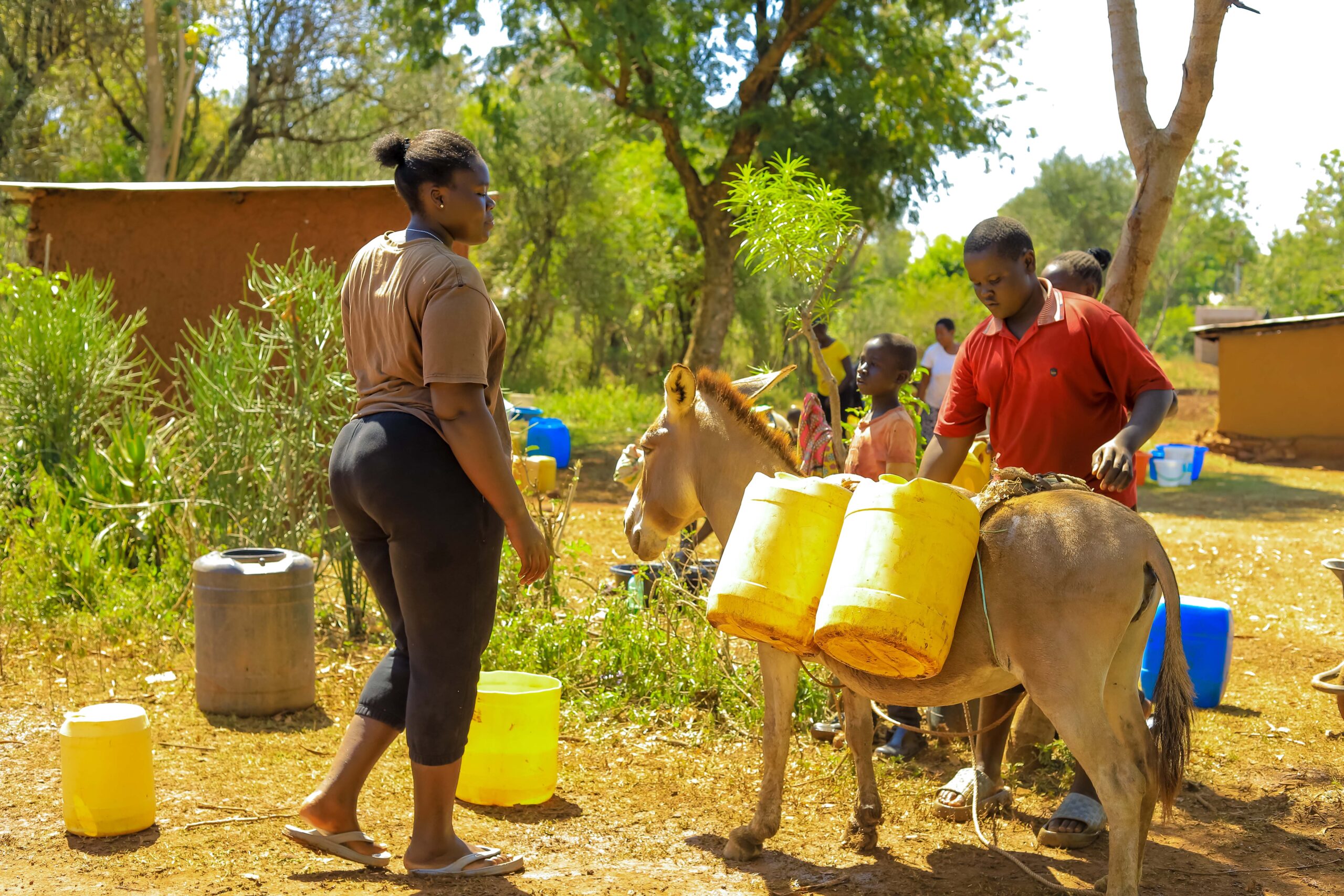
Before the installation of the solar-powered borehole and community water tanks, collecting daily water was an exhausting, multi-hour ordeal borne almost entirely by women and children.
- Ending Exhausting Daily Walks: women and young girls no longer have to trek several kilometers every morning carrying heavy containers of water over difficult terrain.
- More Time for Education and Rest: children, especially young girls, can now prepare for school on time without missing classes due to morning water retrieval duties.
- Unlocking Economic Productivity: reclaiming several hours each day allows women to dedicate their energy to household care, micro-enterprises, village banking, and local agricultural initiatives.
“Water is the foundation of household stability and community development.”
Eradicating Waterborne Illnesses
Safeguarding Health
Open ponds and unprotected water bodies were primary sources of waterborne diseases, placing a heavy health and financial burden on local households.
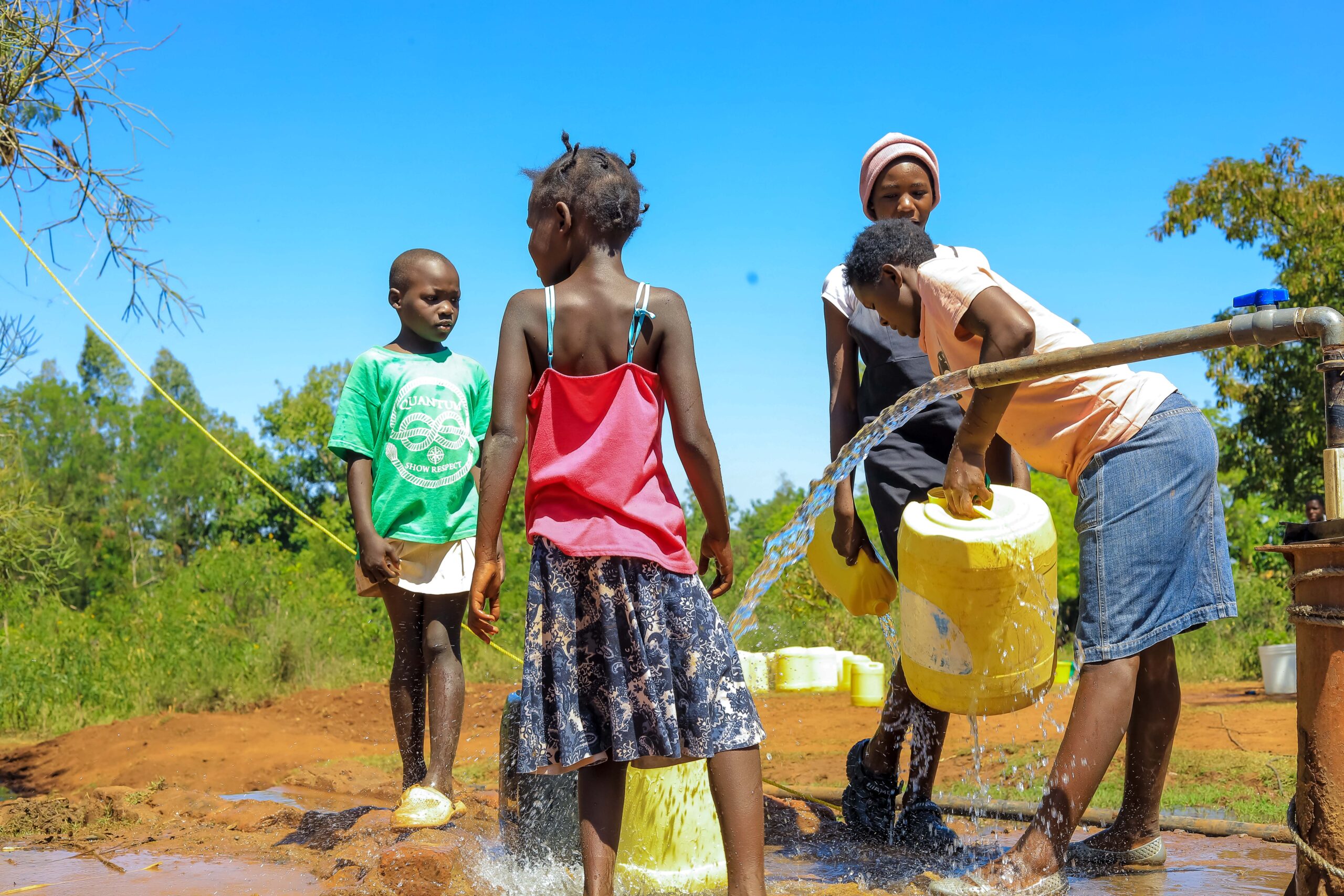
- Eliminating Pathogen Exposure: clean, filtered borehole water and protected rainwater storage prevent common waterborne illnesses such as cholera, typhoid, and dysentery.
- Lower Medical Costs: reduced frequency of waterborne infections means families spend significantly less on emergency healthcare and prescriptions, leaving more money for food and school fees.
- Improved Hygiene Standards: ample water availability makes regular handwashing, clean food preparation, and proper sanitation achievable across all households.
Boosting Domestic Growth
And Community Resilience
Water is the foundation of household stability and community development. Securing a reliable supply opens up new opportunities for domestic and agricultural progress.
Supporting Home Farming and Livestock: reliable water access allows families to maintain home kitchen gardens, raise domestic animals, and irrigate crop nursery beds through dry periods. Powering Sustainable Technology: transitioning from manual or diesel pumps to a solar-powered system ensures a zero-carbon, low-cost operational model that functions reliably without expensive fuel burdens. Fostering Community Equity: centralized clean water points bring neighboring families together safely, fostering cooperation and providing a shared resource that benefits everyone equally.